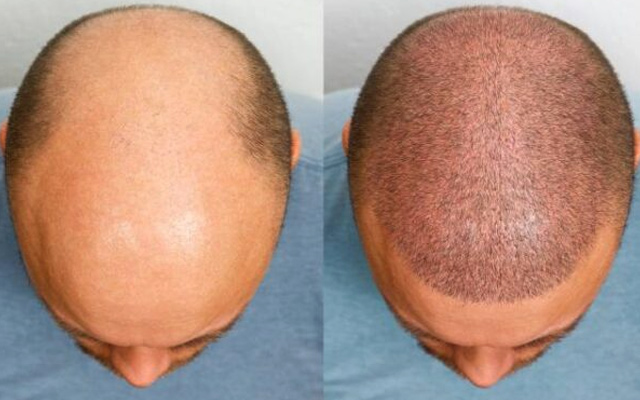
You’re probably not scared of the hair transplant itself—you’re scared of the recovery that follows. The swelling, the scabs, the days off work, and the worry about whether healing will go as planned.
Most people delay treatment not because of the procedure, but because no one clearly explains what recovery actually looks like.
If you’re considering a hair transplant in India, Dr Manoj Khanna, a leading expert, can offer appropriate guidance.
This guide walks you through recovery step by step, so you know exactly what to expect and when.
What Happens Immediately After a Hair Transplant? (Day 0 to Day 3)
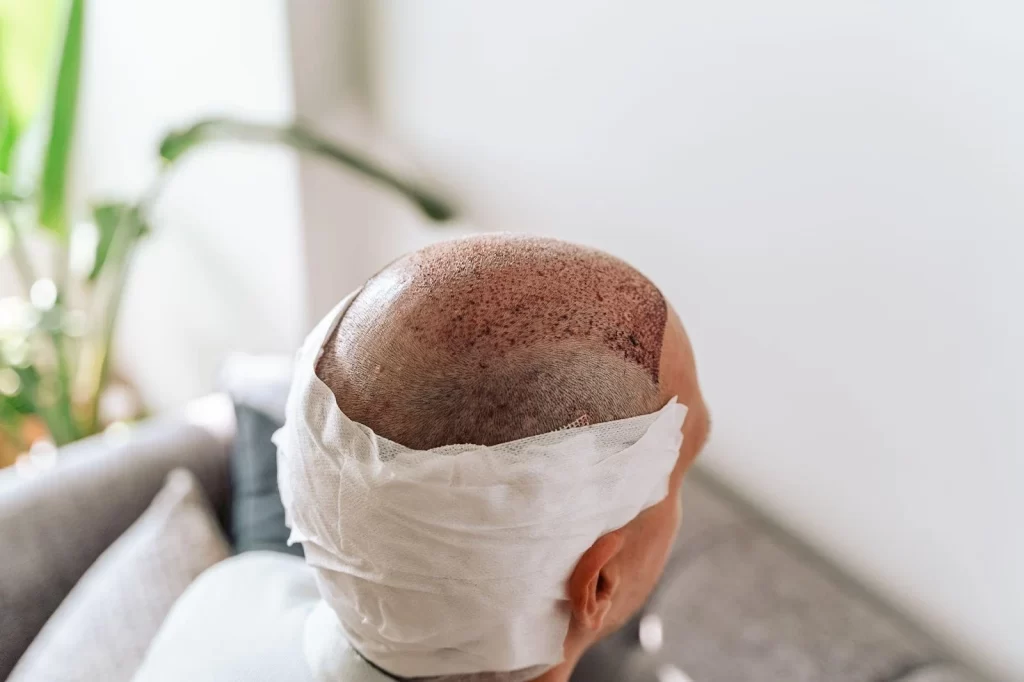
Hair transplant recovery begins the moment the procedure is completed and the grafts are secured. The first three days focus on protecting newly implanted follicles and controlling inflammation.
Immediate post-surgery experience
Most patients worry whether recovery will be painful during this early stage. Know what’s common
- Local anaesthesia wears off within a few hours after surgery
- Mild soreness or tightness is common during the first 48 hours in the case of FUE (Follicular Unit Extraction).
- Tightness around the donor area can be moderate after FUT (Follicular Unit Transplantation)
- Forehead swelling may peak around the second day
- Sleeping with the head elevated is strongly recommended
This early phase sets the foundation for recovery, which becomes more noticeable over the following days.
How Does the First Week of Healing Progress after the Hair Transplant? (Day 4 to Day 7)
By the fourth day, swelling begins to reduce, and patients start feeling physically more comfortable. This phase often reassures patients that healing is progressing normally.
Scab formation and early healing
Scabs form naturally around transplanted grafts to protect healing tissue. Doctors gradually introduce gentle washing techniques during this period.
- Scabs appear around grafts and donor areas
- Redness remains visible but slowly starts fading
- Gentle shampooing is allowed as per medical instructions
- Most patients feel comfortable staying indoors
As the scalp adjusts, recovery shifts from protection to visible healing.
Returning to daily routine
Patients frequently ask when they can return to work or routine activities. Desk-based work is usually possible by the end of the first week.
- Office work is often resumed within four to six days in case of FUE. For FUT, the timeline is closer to six to seven days
- Outdoor exposure requires sun protection
- Physical exertion should still be avoided
By this stage, most patients start feeling more comfortable resuming normal daily activities.
What Does Healing Look Like in the Second Week after a Hair Transplant? (Day 8 to Day 14)
The second week marks a clear transition from early recovery to active healing. The scalp looks calmer, and daily discomfort largely disappears.
Second-week recovery changes
Patients sometimes experience itching or mild tightness during this stage. These sensations indicate ongoing tissue repair rather than complications.
- Scabs fall off naturally without manual removal
- Donor area sensitivity reduces significantly
- Redness continues fading across the scalp
- Mild itching may occur intermittently for FUE patients, while FUT patients may also feel a pulling sensation in the donor area
This phase often reassures patients that recovery is progressing as expected. By the end of week two, most patients feel socially confident again.
Why Does Transplanted Hair Fall Out After Surgery? (Week 3 to Month 2)
Temporary hair shedding is one of the most misunderstood stages of recovery. This process, medically termed shock loss, is completely expected.
Understanding hair fall after transplant
Patients often mistake shedding for graft failure, which is incorrect. The hair follicles remain healthy beneath the skin during this stage.
- Transplanted hairs shed between weeks three and six in both FUE and FUT
- The scalp may resemble its pre-surgery appearance
- No visible hair growth occurs during this period
Although this stage can feel discouraging, it is a medically expected part of the process. Internally, follicles are preparing to enter the growth phase.
When Does New Hair Growth Actually Start? (Month 3 to Month 6)
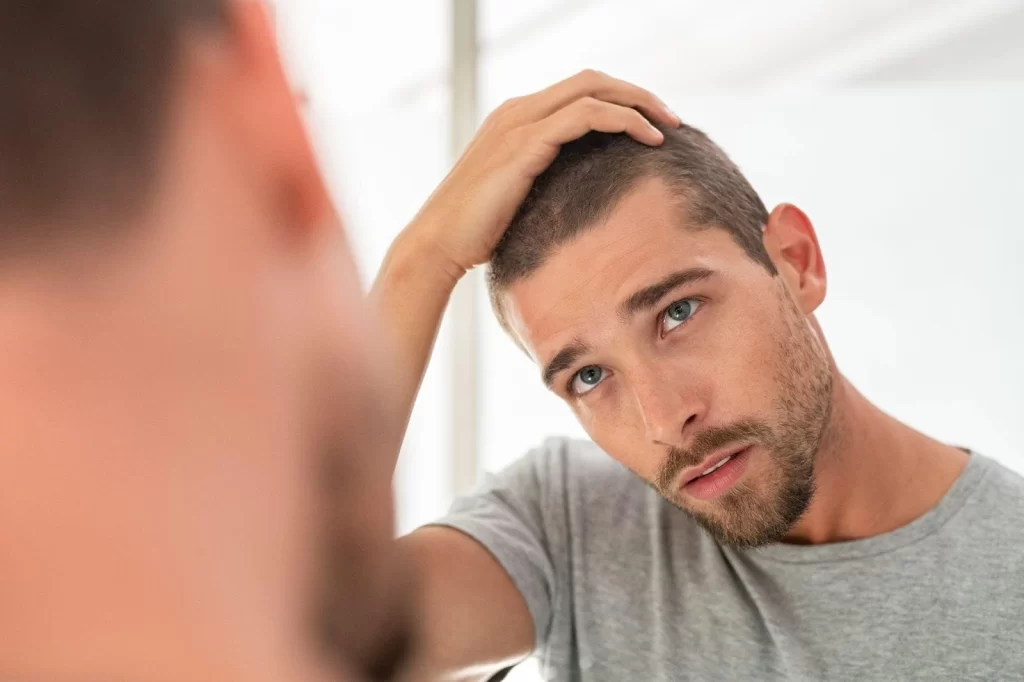
New hair growth typically begins around the third or fourth month after FUE or FUE hair transplant. Early regrowth appears thin, uneven, and initially lighter in texture.
Early regrowth phase
This stage marks the first visible sign of transplant success. Progress becomes more noticeable with each passing month.
- New hairs emerge gradually, not all at once
- Hair texture improves over time
- Density increases steadily month by month
From here, improvements continue gradually over the next few months. By month six, nearly half of the final result is visible.
When Are Final Hair Transplant Results Visible? (Month 9 to Month 12)
Hair transplant results mature slowly and predictably over time in FUE and FUT. Final thickness and density are usually seen between nine and twelve months.
Final outcome phase
This timeline is consistent across most clinical studies. Some minor improvements may continue beyond one year.
- Hair thickness stabilises
- Hairline definition becomes clear
- Styling flexibility improves significantly
At this point, the recovery journey reaches completion, and results stabilise.
Hair Transplant Recovery Timeline at a Glance
| Recovery Phase | What Happens |
| Day 1–3 | Swelling and mild discomfort |
| Day 4–7 | Scab formation and early healing |
| Week 2 | Redness reduces significantly |
| Month 1–2 | Temporary hair shedding |
| Month 3–6 | Visible new hair growth |
| Month 9–12 | Final results achieved |
What Activities Should Be Avoided During Recovery?
Certain activities can negatively affect graft survival if resumed too early. Doctors advise temporary restrictions to protect long-term results.
Activities to avoid
- Heavy exercise for at least fourteen days
- Swimming or sauna use for one month
- Direct sun exposure on the scalp
Following these precautions significantly improves overall recovery outcomes.
How Safe and Successful Is Hair Transplant Recovery in India?
Globally, hair transplant success rates range between ninety and ninety-five percent. India follows internationally accepted surgical and recovery protocols.
Patients choosing a hair transplant in India benefit from structured recovery guidance, modern facilities, and trained specialists.
These standards ensure recovery outcomes comparable to leading global centres.
Book a consultation with Dr. Manoj Khanna for a hair transplant in India and understand your recovery timeline before beginning treatment.
People Also Ask
1. How long does it take to recover after a hair transplant?
Initial recovery usually takes about 7 to 14 days for most patients. Complete healing and visible results develop gradually over several months.
2. Is hair transplant recovery painful?
Hair transplant recovery is usually associated with mild discomfort, not severe pain. Most patients manage well with prescribed pain medication.
3. How many days off work are needed after a hair transplant?
Most patients can return to desk work within 5 to 7 days. Jobs involving physical activity may require a longer break.
4. When does swelling occur after a hair transplant?
Swelling typically appears within the first 2 to 3 days after surgery. It usually resolves on its own within a few days.
5. Is it normal for transplanted hair to fall out?
Yes, temporary hair shedding is completely normal after a hair transplant. This phase is called shock loss and does not indicate treatment failure.
6. When does new hair start growing after a hair transplant?
New hair growth usually starts around three to four months after surgery. Initial hair appears thin and gradually thickens over time.
7. How long does it take to see full hair transplant results?
Final hair transplant results are typically visible between 9 and 12 months. Some patients may notice continued improvement beyond one year.
8. What activities should be avoided after a hair transplant?
Certain activities should be avoided temporarily to protect graft survival. These restrictions are crucial during the early healing phase.
9. Is hair transplant recovery safe in India?
Hair transplant recovery in India is considered safe when performed by qualified surgeons. Recovery protocols follow international medical standards.