Rhinoplasty Surgery in Kolkata

Awards

Clients

%
Client Satisfaction

Cosmetic Procedures
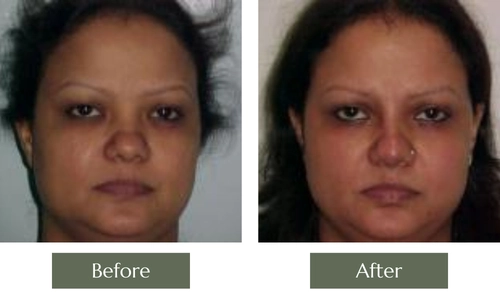
Rhinoplasty Before & After Results
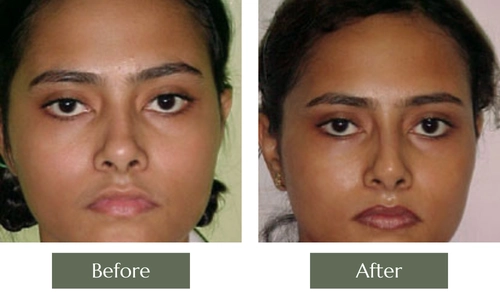
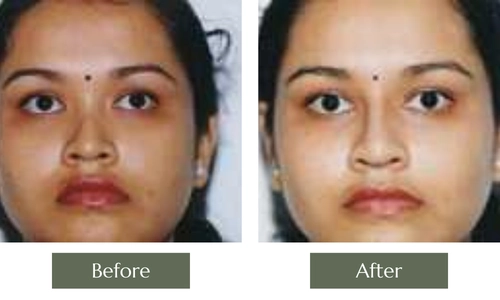
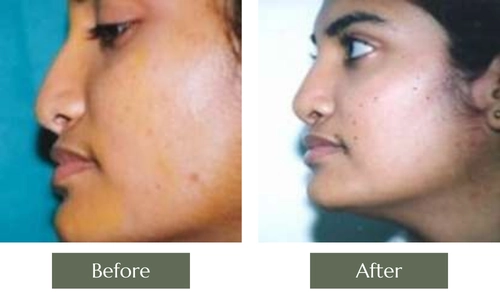
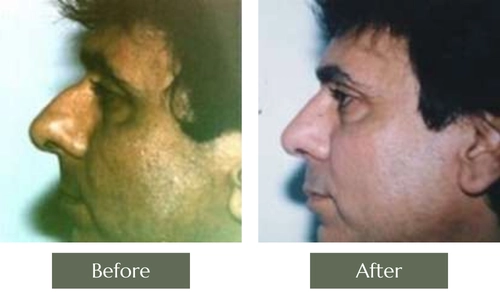
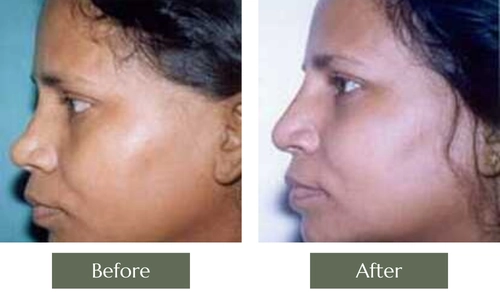
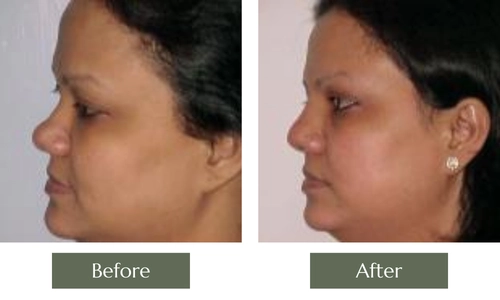
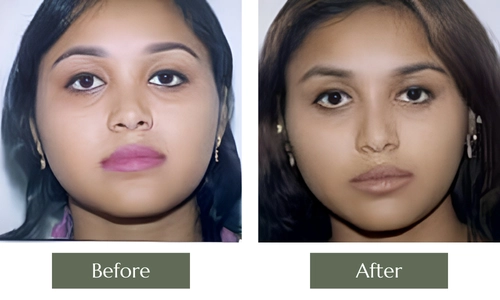
You’re In The Right Place If…
The nose appears broad, prominent, or asymmetrical
A dorsal hump affects side-profile appearance
The nasal tip appears drooping, bulbous, or poorly defined
Breathing difficulty occurs due to structural nasal concerns
Previous nasal injury altered the nasal shape or alignment
Considering cosmetic or functional nasal correction
Preference for balanced, natural-looking nasal refinement
Exploring rhinoplasty or septorhinoplasty treatment options
Meet Dr Manoj Khanna – Experienced Plastic Surgeon in India
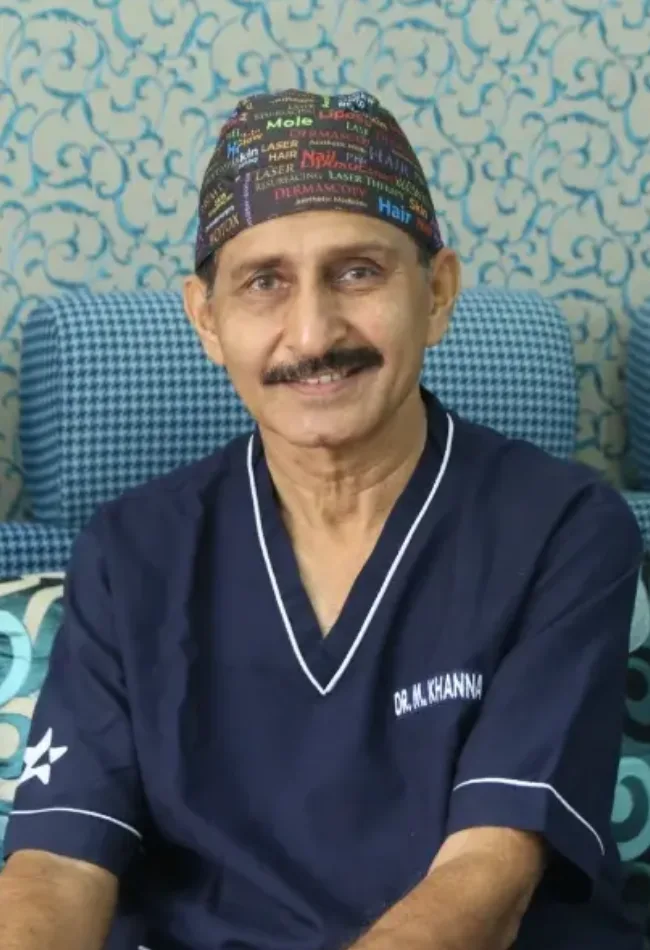
- ◈ Facial aesthetic surgery experience since 1995
- ◈ Expertise in cosmetic and functional rhinoplasty procedures
- ◈ Approach focused on balanced nasal contour and facial proportion
- ◈ Precision-driven surgical planning based on individual anatomy
- ◈ Experience in revision rhinoplasty and structurally complex nasal cases
Functional vs Cosmetic Rhinoplasty
| Feature |
Functional Rhinoplasty
|
Cosmetic Rhinoplasty
|
|---|---|---|
| Primary Goal | Improve nasal airflow and breathing | Improve nasal shape and facial balance |
| Treatment Type | Functional airway correction procedure | Cosmetic facial refinement procedure |
| Main Focus | Internal nasal structure correction | External nasal appearance refinement |
| Common Concerns | Septal deviation, obstruction, valve collapse | Dorsal hump, tip shape, asymmetry |
| Procedure Timeline | 1.5–3 hours | 1–3 hours |
| Approximate Cost Range | ₹80,000–₹2,50,000+ | ₹90,000–₹3,00,000+ |
Step-By-Step Procedure of Functional & Cosmetic Rhinoplasty
Cosmetic rhinoplasty focuses on improving the external shape, contour, and proportion of the nose. Depending on individual goals, the procedure may help refine the nasal bridge, tip definition, nostril width, or overall facial aesthetics.
Consultation & Facial Assessment
Facial structure, nasal anatomy, skin thickness, and cosmetic concerns are carefully evaluated before planning personalised rhinoplasty procedures.
Digital Imaging & Surgical Planning
Clinical photographs and digital imaging may help visualise potential nasal changes before cosmetic rhinoplasty, enabling improved planning.
Anaesthesia Administration
General anaesthesia or intravenous sedation is administered before surgery to maintain comfort and prevent pain throughout the rhinoplasty procedure.
Surgical Incisions For Nasal Access
Closed rhinoplasty uses internal incisions, while open rhinoplasty uses a small columella incision for complex structural nasal reshaping procedures.
Reshaping Bone & Nasal Cartilage
Bone and cartilage are reshaped carefully to refine nasal contour, bridge width, tip definition, symmetry, and overall facial balance.
Cartilage Grafting For Structural Support
Cartilage grafts from the septum, ear, or rib may improve nasal support, projection, contour definition, or structural stability requirements.
Septoplasty During Rhinoplasty Surgery
A deviated septum may be corrected during rhinoplasty surgery to improve nasal airflow and support better long-term breathing function.
Closing Surgical Incisions Carefully
After nasal reshaping is complete, the skin is repositioned, and the incisions are carefully closed with fine surgical sutures.
Internal Splints & Nasal Packing
Internal silicone splints or soft nasal packing may temporarily stabilise healing tissues and support septal correction after rhinoplasty surgery.
External Splint & Early Recovery
An external nasal splint helps protect the new shape while swelling and bruising gradually improve during early recovery stages.
Functional rhinoplasty focuses on improving nasal airflow and breathing difficulties caused by structural nasal concerns such as septal deviation or internal nasal obstruction. In some patients, cosmetic refinement and functional correction may be performed together.
Pre-Operative Consultation & Nasal Assessment
Nasal airflow, septal deviation, breathing difficulty, and internal obstruction are evaluated through examination, photographs, and detailed surgical planning before surgery.
Medical Review Before Surgery
Medical history, medications, allergies, and existing health conditions are reviewed before functional rhinoplasty to reduce procedural complications.
Anaesthesia Administration
General anaesthesia or sedation is administered before surgery to maintain comfort and prevent pain during functional nasal correction procedures.
Surgical Incisions For Nasal Access
Closed rhinoplasty uses internal incisions, while open rhinoplasty uses a small columella incision for improved structural visibility during surgery.
Septoplasty For Deviated Septum Correction
The deviated nasal septum is straightened or repositioned to improve airflow and reduce breathing obstruction inside the nasal passages.
Turbinate Reduction For Airway Improvement
Enlarged nasal turbinates may be reduced surgically to improve airflow and reduce long-term symptoms of nasal blockage and breathing difficulty.
Nasal Valve Repair & Cartilage Grafting
Cartilage grafts may strengthen weak nasal valves and improve airflow stability during functional rhinoplasty when additional structural support is needed.
Closing Incisions After Structural Repair
Surgical incisions are closed carefully using dissolvable sutures after completing septoplasty, nasal valve repair, or internal structural correction procedures.
Internal & External Nasal Splinting
Internal silicone splints and external nasal splints help stabilise healing tissues and protect nasal structures after functional rhinoplasty.
Risks & Safety Measures To Follow After Rhinoplasty Surgery
Risks Of Rhinoplasty Surgery
- Swelling and bruising around the nose and eyes initially
- Temporary nasal blockage may occur during healing
- Minor asymmetry or uneven healing can occasionally develop
- Infection, bleeding, or delayed healing may rarely occur
- Scar tissue may affect the final nasal shape in some cases
- Some patients may need revision rhinoplasty later
- Skin thickness can influence long-term cosmetic results
- Mild nasal tip swelling may persist for several months
Safety Measures To Follow After Rhinoplasty Surgery
- Sleep with the head elevated during early recovery
- Avoid touching, rubbing, or applying pressure on the nose
- Do not blow the nose forcefully during the healing phase
- Avoid strenuous exercise and the gym for several weeks
- Avoid wearing heavy glasses directly over the nose temporarily
- Follow the nasal splint and dressing care instructions carefully
- Avoid smoking and alcohol during the early recovery period
- Take prescribed medicines exactly as instructed by the surgeon
- Attend scheduled follow-up appointments regularly
- Protect the nose from accidental trauma during recovery
Recovery Timeline After Hair Transplant Treatment
First 24–72 Hours After Surgery
Mild bleeding, nasal congestion, swelling, bruising around the eyes, and facial tightness commonly occur during the initial recovery period. A nasal splint and dressings are usually maintained throughout this stage.
Days 5–7 After Rhinoplasty
The external nasal splint is commonly removed during follow-up evaluation. Most visible bruising around the eyes gradually improves, although noticeable swelling may still persist.
Weeks 2–4 After Rhinoplasty
Early swelling continues to reduce while nasal definition gradually becomes more visible. Many patients progressively resume routine daily activities while continuing to avoid strenuous exercise and nasal trauma.
Months 1–3 After Rhinoplasty
Residual swelling, especially around the nasal tip, may still remain during this stage. Nasal contour refinement and tissue settling continue to improve gradually over time.
Months 3–6 After Rhinoplasty
Nasal shape, profile balance, and contour definition continue to evolve as internal healing and swelling reduction progress.
Months 6–12 After Rhinoplasty
Most visible cosmetic improvement usually becomes more noticeable during this period. Subtle swelling may continue to improve gradually in some individuals.
Months 12–18 After Rhinoplasty
Near-final rhinoplasty refinement, long-term tissue settling, and nasal tip definition typically continue to develop gradually during this stage.
Testimonials
4.7
40+ Google reviews
What Factors Determine Pricing For Rhinoplasty Surgery
The cost of rhinoplasty surgery in India usually depends on the complexity of nasal correction and the type of procedure planned.
Since every patient has different anatomical concerns, breathing considerations, and treatment goals, the final treatment cost may vary from person to person.
Some important factors that may influence rhinoplasty cost include:
Complexity of nasal reshaping required
Whether breathing correction or septal correction is needed
Type of rhinoplasty technique being performed
Revision or secondary rhinoplasty requirements
Cartilage grafting or structural support requirements
Hospital infrastructure and surgical setup
Anaesthesia and operating room requirements
Extent of overall nasal correction planned
Take The Next Step Towards
Natural-Looking Rhinoplasty Surgery In Kolkata
Improve nasal contour, facial proportion, and overall profile appearance with advanced rhinoplasty surgery in Kolkata by Dr Manoj Khanna.
Schedule Your Consultation
Share a few details and the clinic team will guide you on the next step.
Frequently Asked Questions
When is the nasal splint usually removed after rhinoplasty?
The external nasal splint is commonly removed around 5–7 days after surgery, depending on healing progress and postoperative evaluation.
How much downtime is commonly needed after rhinoplasty surgery?
Many patients take approximately 1–2 weeks off work, social events, or public-facing activities while early swelling and bruising resolve.
Does skin thickness affect rhinoplasty results?
Yes. Skin thickness may influence nasal definition, healing patterns, swelling duration, and the visibility of contour refinement after surgery.
Can rhinoplasty be combined with septal correction procedures?
Yes. Rhinoplasty may sometimes be combined with septoplasty or septorhinoplasty procedures when both cosmetic reshaping and breathing improvement are required.
Is revision rhinoplasty usually more complex than primary rhinoplasty?
Yes. Revision rhinoplasty is often considered more technically complex due to scar tissue, altered anatomy, cartilage loss, or prior structural changes from earlier surgery.
Our Consultation
Mon-Sat
10:00 AM - 07:00 PM
Sunday
Closed