Tummy Tuck Surgery in Kolkata

Awards

Clients

%
Client Satisfaction

Cosmetic Procedures
Tummy Tuck Before & After Results
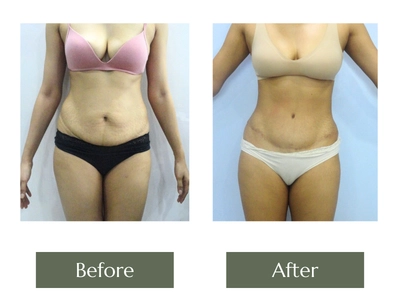
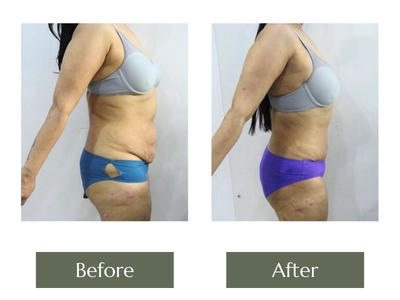
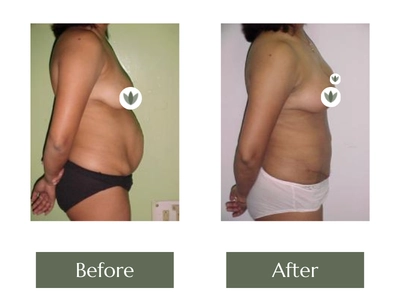
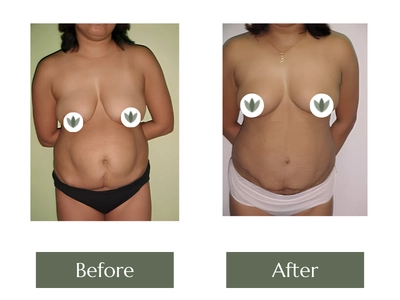
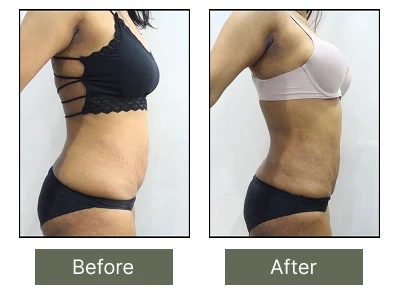
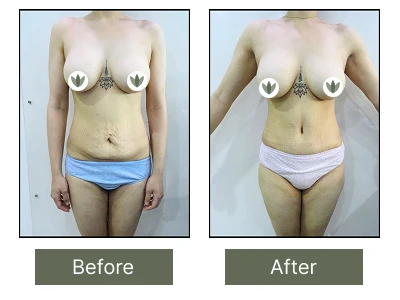
You’re In The Right Place If…
Loose belly skin remains after weight loss
Abdominal bulging after pregnancy
Lower tummy fullness despite exercise
Hanging abdominal skin affecting clothing confidence
Reduced waistline definition and shape
Stretch marks on loose lower abdominal skin
Abdominal muscles feel weak or separated
Desire for a firmer, flatter abdomen
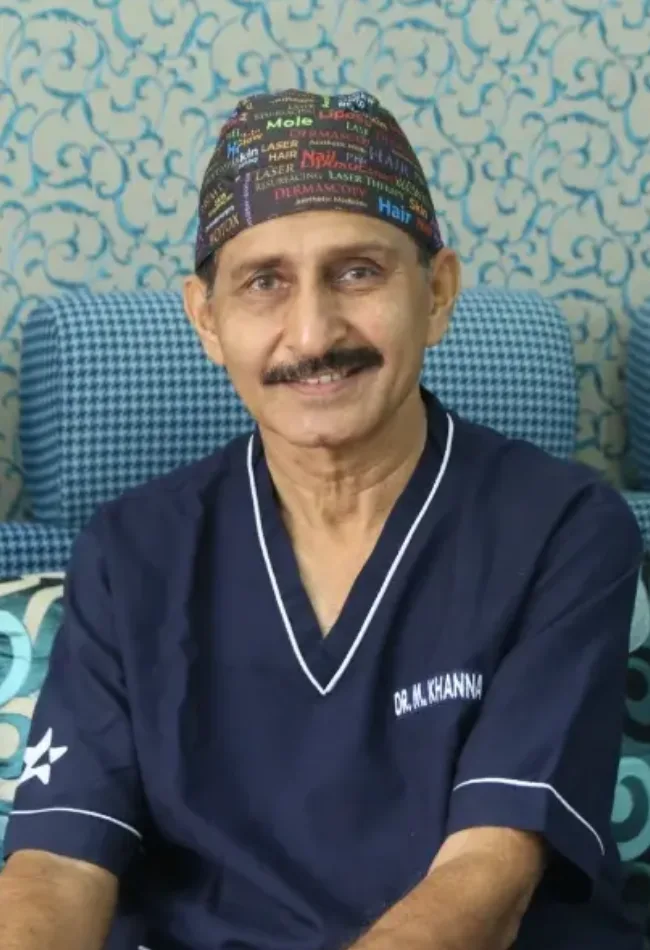
Meet Dr Manoj Khanna – Experienced Tummy Tuck Surgeon In Kolkata
- ◈ Advanced abdominal contouring precision
- ◈ Management of complex skin & muscle laxity
- ◈ Structured, case-specific surgical planning
- ◈ Refined waistline definition techniques
- ◈ Protocol-driven recovery and follow-up care
- ◈ Consistent focus on natural body proportions
Types Of Tummy Tuck Surgery
| Type |
Overview
|
Recovery
|
Aftercare Focus
|
|---|---|---|---|
| Full Abdominoplasty | Removes excess skin, tightens full abdominal muscles, includes navel repositioning/td> | Moderate recovery (2–4 weeks initial healing) | Compression support, limited strain, gradual mobility |
| Mini Abdominoplasty | Targets lower abdomen below navel for mild skin laxity | Faster recovery (1–2 weeks initial healing) | Early movement, basic wound care, avoid strain |
| Extended Abdominoplasty | Treats abdomen, flanks, and lower back for wider contour correction | Longer recovery (3–6 weeks initial healing) | Strict compression, posture care, staged activity return |
Tummy Tuck Procedure Steps (Full, Mini & Extended Abdominoplasty)
Incision Placement
A low horizontal hip-to-hip incision is made, along with a circular incision around the navel to detach surrounding tissue.
Flap Elevation
Abdominal skin and fat are lifted from the muscle layer up to the rib cage, keeping the navel attached underneath.
Muscle Repair (Plication)
Separated abdominal muscles are tightened and sutured together to restore core strength, flatten the abdomen, and improve waist contour.
Excess Skin Removal & Liposuction
Excess skin is trimmed after downward repositioning, and liposuction may be performed to contour the abdomen and flanks for smoother definition.
Navel Repositioning
A new opening is created in the repositioned skin, and the natural belly button is brought through and secured in place.
Closure & Recovery Setup
Incisions are closed in layers, drains may be placed to prevent fluid buildup, and a compression garment is applied post-surgery.
Anesthesia Administration
General anesthesia or IV sedation with local anesthesia is administered to ensure comfort and a completely pain-free surgical experience throughout.
Incision Placement
A short horizontal incision is made above the pubic hairline, typically four to eight inches long, positioned to remain hidden under underwear.
Liposuction Contouring
Liposuction is commonly performed to remove stubborn fat deposits and enhance contouring across the lower abdomen, flanks, and surrounding waistline areas.
Tissue Separation
Skin and fat are gently lifted from underlying muscle only below the navel, limiting dissection and preserving upper abdominal structures and blood supply.
Muscle Tightening
If present, mild lower abdominal muscle separation is repaired using sutures to create a firmer, flatter lower abdominal profile and improved support.
Excess Skin Removal
Loose lower abdominal skin is stretched downward, and excess tissue is precisely measured and excised to achieve a smoother and tighter contour.
Closure & Compression
Incisions are closed in layers with dissolvable sutures, drains may be placed, and a compression garment is applied to minimise swelling.
Pre-Operative Markings
Surgical areas and extended incision lines are marked while standing, mapping contouring across abdomen, hips, and lower back for precise planning.
Anesthesia Administration
General anesthesia or spinal block with IV sedation is administered to ensure complete comfort, safety, and a pain-free experience during surgery.
Liposuction Contouring
Liposuction is often performed across abdomen, flanks, and hips to remove excess fat and improve contouring before proceeding with skin excision.
Incision Placement
A long horizontal incision is made low on the abdomen, extending beyond the hips toward the lower back for full circumferential access.
Skin Elevation
Skin and fat are lifted off the abdominal wall up to the rib cage, allowing full exposure of underlying muscles for comprehensive correction.
Muscle Repair
Separated abdominal muscles are tightened and sutured vertically, restoring core strength, flattening the abdomen, and significantly improving waistline definition.
Belly Button (Navel) Repositioning
The belly button is freed from surrounding skin, preserved on its stalk, and later brought through a new opening for natural placement.
Excess Skin Removal
Excess skin and tissue across abdomen, flanks, and lower back are pulled tight, trimmed away, and reshaped to achieve a smoother contour.
Closure & Compression
Incisions are closed in layers with drains placed, followed by dressings and compression garments to reduce swelling and support healing tissues.
Risks & Safety Measures After Tummy Tuck Surgery
Risks Of Tummy Tuck Surgery
- Seroma: Fluid build-up causing swelling.
- Hematoma: Blood build-up beneath skin.
- Poor Healing: Delayed incision healing risk.
- Tissue Necrosis: Rare skin tissue damage.
- Permanent Scar: Visible lower abdominal scarring.
- Reduced Sensation: Temporary numbness may occur.
- Contour Irregularities: Uneven abdominal contour possible.
- Blood Clots: Rare leg or lung clots.
- Anesthesia Risks: Breathing or heart complications.
- Infection Risk: May require medical treatment.
Safety Measures After Surgery
- Light Walking Only:Promotes circulation; avoid strain or exercise.
- Bent Posture:Reduces tension on incision during early healing.
- No Nicotine/NSAIDs: Prevents poor healing and bleeding risks.
- Compression Use: Controls swelling and supports tissues.
- Drain & Wound Care: Keep clean, dry, and monitor output.
- Heavy Lifting: No weights above 5–7 kg for 3–4 weeks.
- Stomach Sleeping: Avoid pressure on healing abdomen.
- Tight Binders: Prevents tissue damage and healing disruption.
Recovery Timeline After Tummy Tuck Surgery
Days 1–7
Drains, swelling, and limited mobility are expected; assistance is usually required at home. Walk slightly bent, sleep elevated, and wear compression continuously to support healing.
Weeks 2–3
Most patients resume desk work; swelling, tightness, and numbness gradually improve. Movement becomes easier, but lifting, strain, and core engagement must still be avoided.
Weeks 4–6
Visible contour improves as swelling reduces and the abdomen begins to settle. Light activities can resume, but intense workouts and heavy lifting remain restricted.
Month 3+
Most swelling resolves and the final abdominal shape becomes clearly visible. Scars continue to mature, flatten, and fade over the next several months.
Testimonials
4.7
40+ Google reviews
Factors Determining Tummy Tuck Surgery Cost In Kolkata
Tummy tuck pricing is not one-size-fits-all—it varies based on your body, goals, and surgical requirements. Understanding these factors helps you set realistic expectations before planning your surgery.
Factors Influencing Cost Include:
Procedure Type: Mini, full, or extended.
Complexity: Advanced contouring increases cost.
Muscle Repair: Adds time and precision.
Liposuction: Extra areas cost more.
Additional Fixes: Hernia or scar correction.
Surgeon Expertise: Impacts outcome and fees.
Facility: Accredited setup affects pricing.
Anesthesia: Duration-based charges.
Location: Kolkata clinic factor.
Recovery: Tests, meds, garments.
Ready for a Flatter,Tighter Abdomen in Kolkata
Stubborn belly fat and loose skin won’t fix themselves—but the right surgery can.
Get a sculpted, natural-looking waistline with advanced tummy tuck surgery performed by Dr Manoj Khanna, designed around your body—not a template.
Schedule Your Consultation
Share a few details and the clinic team will guide you on the next step.
Frequently Asked Questions
Who is an ideal candidate for tummy tuck surgery?
Tummy tuck surgery may be suitable for individuals with excess abdominal skin, weakened abdominal muscles, or stubborn fat that does not improve with diet and exercise. It is commonly considered after pregnancy or significant weight loss when the abdomen no longer feels firm or proportionate.
What is the difference between liposuction and tummy tuck surgery?
Liposuction mainly removes stubborn fat, while tummy tuck surgery removes loose skin and tightens weakened abdominal muscles for a firmer abdominal contour. Combination procedures may address both concerns together.
Can tummy tuck surgery help after pregnancy?
Yes. Tummy tuck surgery is often chosen after pregnancy to address loose skin, muscle separation, abdominal bulging, and changes that do not improve with exercise alone.
Is tummy tuck surgery painful?
Pain and tightness peak during the first week, then gradually improve over the following one to two weeks after surgery.
How long do tummy tuck results last?
Tummy tuck results often last over 10-20 years to even a lifetime when body weight stays stable and future pregnancies are avoided afterward completely.
Our Consultation
Mon-Sat
10:00 AM - 07:00 PM
Sunday
Closed