Hair Transplant in Kolkata

Awards

Clients

%
Client Satisfaction

Cosmetic Procedures
Hair Transplant Before & After Results
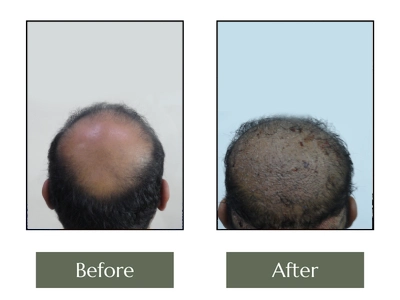
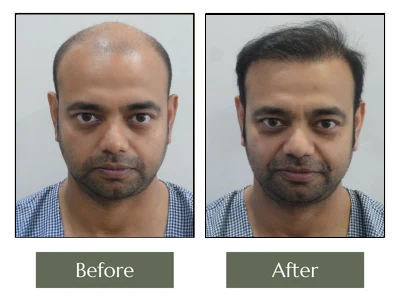
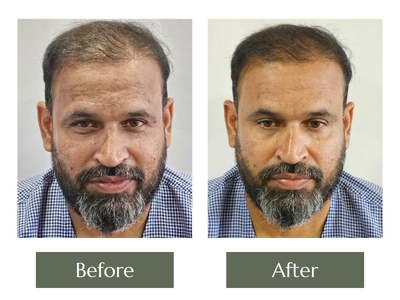
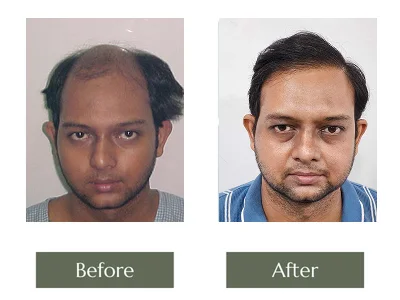
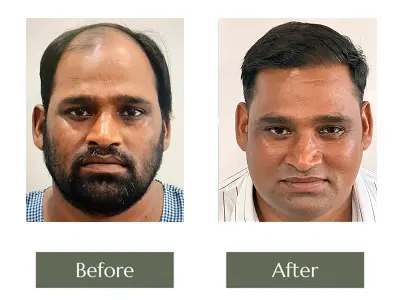
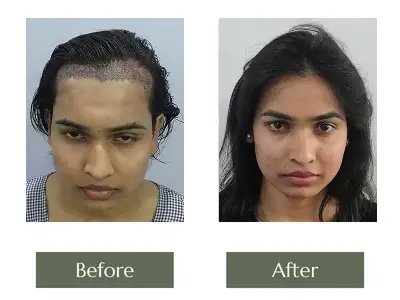
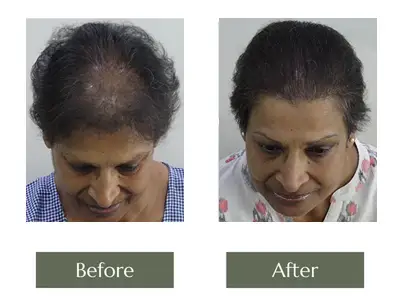
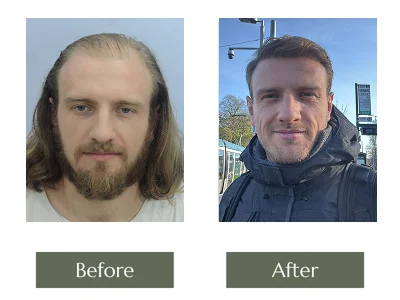
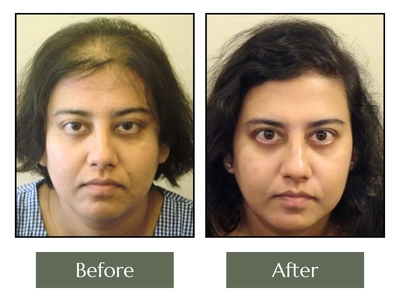
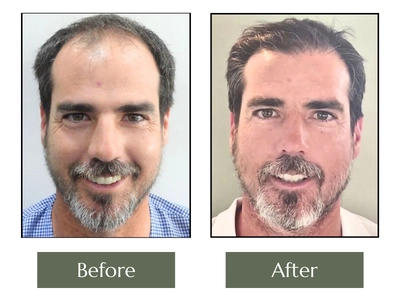
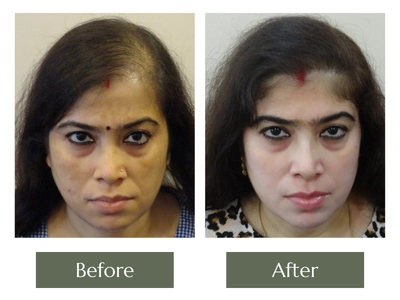
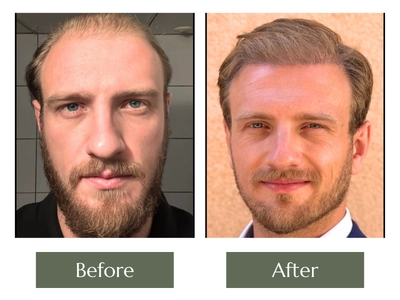
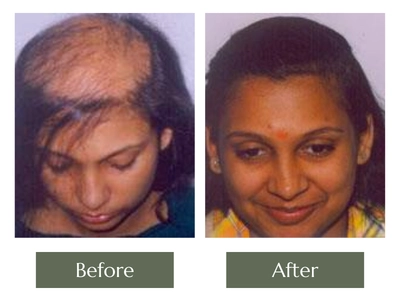
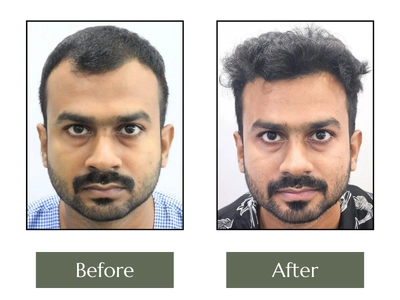
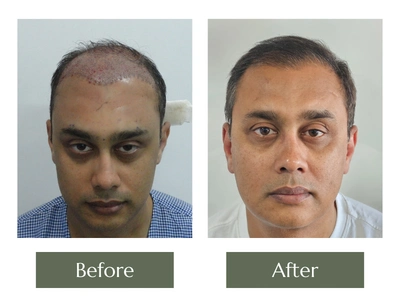
Patient Video Reviews
You’re In The Right Place If…
Your hairline appears visibly receded
Scalp visibility has increased over time
Thinning affects confidence or appearance
Non-surgical treatments have shown limited improvement
You are considering permanent hair restoration
You want natural-looking density rather than an artificial appearance
You are exploring FUE or FUT hair transplant options
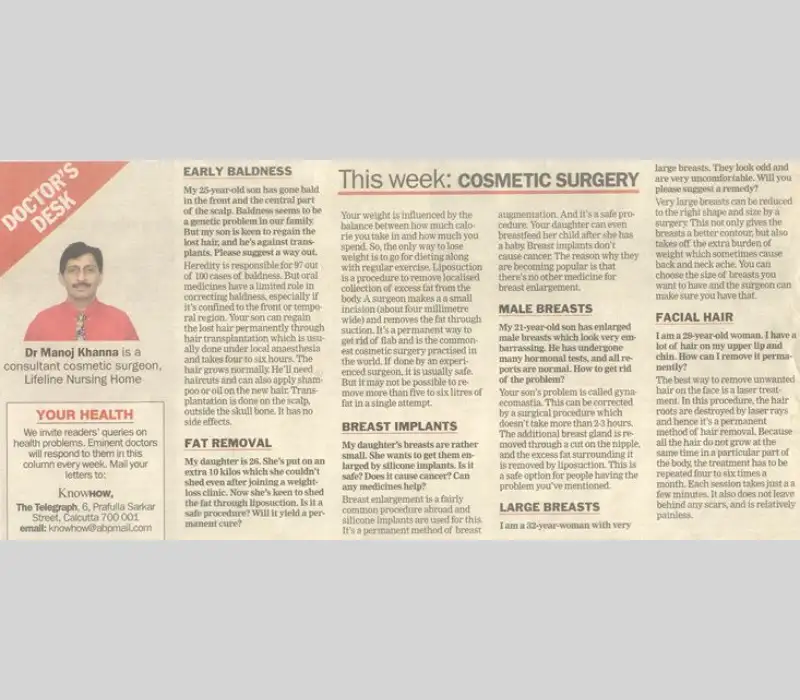
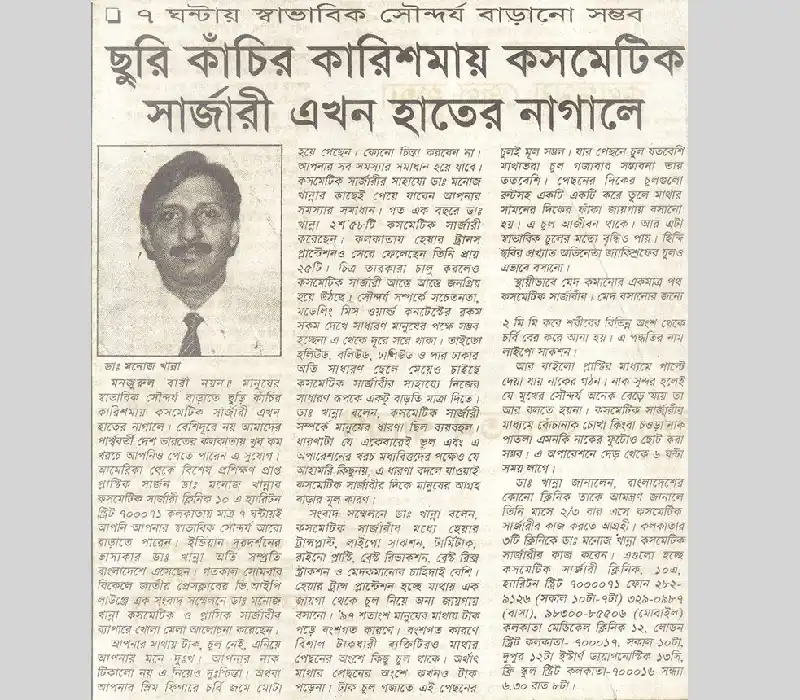
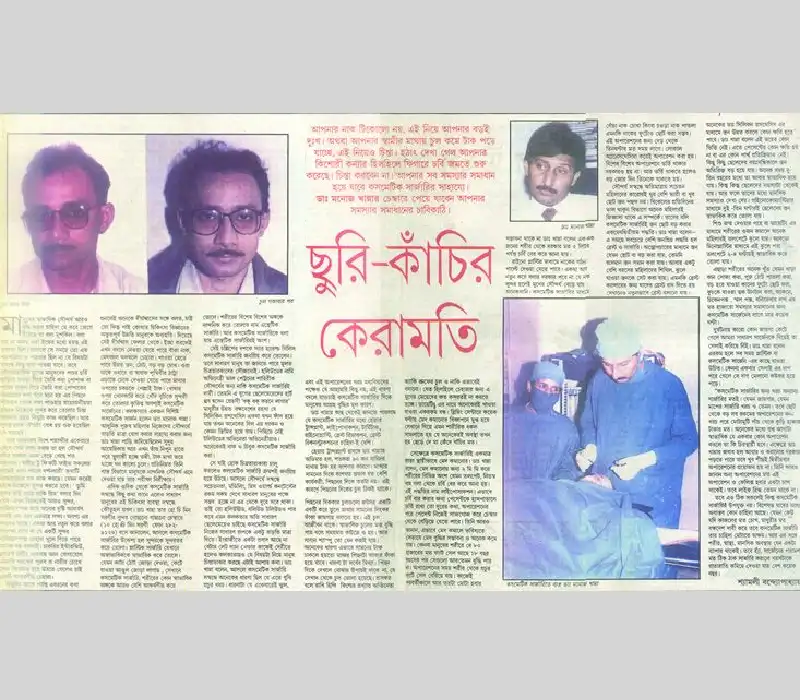
Meet Dr. Manoj Khanna – Experienced FUE & FUT Hair Transplant Surgeon
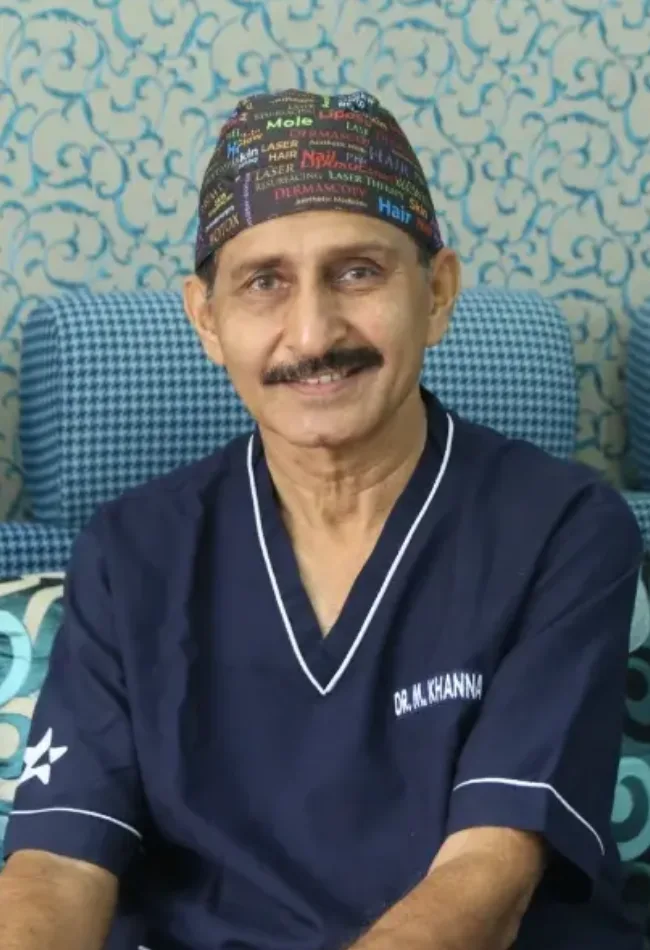
- ◈ Hair restoration surgery experience since 1995
- ◈ Developer of the “Kolkata Slit” instrument for FUT hair transplantation
- ◈ 40–50 hair restoration procedures performed monthly across centres
- ◈ International patient base across multiple countries
- ◈ Focus on natural hairline design and balanced density planning
- ◈ Expert-led hair restoration assessment and treatment planning
Patients from India, the UK, the USA, Australia, the Middle East, South Africa, and Bangladesh have consulted him for advanced hair restoration procedures.
FUE vs FUT: Main Difference
| Feature |
FUE
|
FUT
|
|---|---|---|
| Hair Removal Method | Individual follicular unit extraction | Strip harvesting from the donor scalp |
| Scar | Tiny dot-like scars | Linear donor scar |
| Suitable For | Short hairstyles and flexible harvesting | Larger graft sessions and higher graft yield |
| Recovery | Faster donor healing | Slightly longer donor recovery |
| Graft Capacity | Moderate-to-large sessions | Higher graft yield in single sessions |
| Procedure Time | Usually 4–8 hours | Usually 4–8 hours |
| Cost Range | ₹40–₹120+ per graft | ₹30–₹100+ per graft |
Step-by-Step Procedure Of FUE & FUT Hair Transplant
In an FUE hair transplant, hair roots are removed one by one from the donor area using a small punch tool. These hair grafts are then implanted into thinning or bald areas.
Preparing The Donor Area
The scalp's back and sides are cleaned and trimmed. Local anaesthesia is used to numb the area before the procedure starts.
Extracting Hair Follicles
The surgeon removes healthy hair follicles one by one using a small specialised tool. These follicles are usually taken from the back of the scalp.
Preserving The Hair Grafts
The extracted hair grafts are carefully stored in a special solution to help maintain their health before implantation.
Preparing The Recipient Area
Tiny openings are created in the thinning or bald areas. The surgeon carefully plans the angle and direction to achieve natural-looking hair growth.
Implanting The Hair Grafts
Hair follicles are placed one by one into the prepared areas to restore hair growth and increase density.
Recovery After The Procedure
Small scabs may appear temporarily in the treated areas. Most patients gradually return to normal activities within a few days following proper aftercare instructions.
FUT, also called the strip method, involves removing a thin strip of scalp from the donor area. Hair follicles are separated from this strip and transplanted into bald areas.
Extraction
Under local anaesthesia, the surgeon removes a thin strip of healthy scalp skin with hair from the back or sides of the scalp. This area is usually resistant to hair loss.
Donor Area Closure
The area where the strip was removed is carefully closed with stitches or staples. This leaves a thin linear scar that is usually hidden under surrounding hair.
Graft Separation
The removed strip is divided into small natural hair grafts under a microscope. Each graft may contain one or more hair follicles.
Implantation
Tiny openings are created in the balding area. Grafts are carefully placed to create a natural-looking hair growth pattern.
Risks & Safety Measures to Follow After Hair Transplant Treatment
Risks Of Hair Transplant
- Bacterial scalp infection may cause redness, swelling, pus, or pain
- Folliculitis may create painful, pus-filled bumps around follicles
- FUT may leave a visible linear donor scar
- FUE may leave tiny dot-like extraction marks
- Some transplanted grafts may fail to grow successfully
- Temporary shock loss may occur before regrowth begins
- Poor planning may create unnatural or patchy results
- Natural hair thinning may continue after transplantation
- Additional sessions may be needed for improved density
Safety Measures to Follow Post-Hair Transplant Treatment
- Avoid touching or scratching grafts for 10–14 days
- Sleep with the head elevated at 45° for 3–5 nights
- Avoid sleeping on the stomach or sides initially
- Use clean pillowcases daily during recovery
- Wash the scalp gently without direct water pressure
- Do not pick or forcibly remove healing scabs
- Avoid gym workouts and heavy exercise for 4 weeks
- Avoid sunlight, saunas, steam, and hot showers for 2–4 weeks
- Avoid helmets, caps, or tight headwear for around 14 days
- Avoid smoking and alcohol for at least 7–10 days
- Take prescribed medicines exactly as instructed
- Maintain hydration and a protein-rich diet during recovery
Recovery Timeline After Hair Transplant Treatment
Days 1–5
Mild swelling, soreness, and forehead tightness may occur after surgery. Rest and sleep with the head elevated during early recovery.
Days 6–14
Small scabs and temporary redness commonly appear around grafts. Scabs usually shed naturally within 10–14 days.
Weeks 3–4
Temporary shock loss may occur before new regrowth begins. Most activity restrictions are usually reduced gradually after 2 weeks.
Months 1–3
Transplanted follicles usually remain in a temporary resting phase. The scalp may initially appear similar to the pre-treatment stage.
Months 3–6
Early thin hair regrowth may gradually start becoming visible. New hair often appears finer during the initial regrowth phase.
Months 6–12
Hair density, thickness, and scalp coverage improve progressively. Visible cosmetic improvement usually becomes noticeable during this stage.
Months 12–18
Final hair transplant results and graft maturation typically develop fully. Hair can usually be cut, styled, and managed normally afterwards.
Testimonials
4.7
40+ Google reviews
Factors Determining Pricing For Hair Transplant Treatment
The cost of hair transplantation in India usually depends on the extent of hair restoration required. Since every patient has a different pattern of hair loss and graft requirement, the final treatment cost may vary from person to person.
FUT Hair Transplant Procedure (Follicular Unit Transplantation)
The degree and pattern of baldness
The number of grafts required
The size of the treatment area
The number of hair transplant sessions planned
The technique used for hair restoration, such as FUE or FUT
Donor hair availability and scalp condition
Take The Next Step Towards
Natural-Looking Hair Restoration In Kolkata
Restore confidence with advanced hair transplant treatment in Kolkata by Dr Manoj Khanna.
Schedule Your Consultation
Share a few details and the clinic team will guide you on the next step.
Frequently Asked Questions
How many grafts are usually needed for a hair transplant?
Early hairline correction may require around 1200–1800 grafts, while advanced baldness cases often need 3000–5000+ grafts, depending on scalp coverage goals and donor availability.
What percentage of transplanted grafts usually survive?
Well-performed hair transplant procedures may achieve estimated graft survival rates of around 85–95%, depending on graft handling, scalp condition, and post-procedure healing.
How long does visible hair growth usually take after transplantation?
Initial visible growth often begins around 3–4 months, while fuller cosmetic improvement typically continues developing between 9–12 months after surgery.
How much permanent donor hair is usually available in most patients?
Many individuals have an estimated lifetime donor capacity of 5000–7000 safe scalp grafts, underscoring the importance of long-term donor preservation.
How long does a typical FUE or FUT hair transplant session usually take?
Large-session hair transplant procedures typically take 6–10 hours, depending on the number of grafts, the technique used, and the scalp coverage area.
Our Consultation
Mon-Sat
10:00 AM - 07:00 PM
Sunday
Closed