Hair loss is a bit like that one friend who overstays quietly. At first, you barely notice. A few extra strands on the pillow. A slightly wider parting. Then one day, the bathroom mirror and your phone camera start telling the same story.
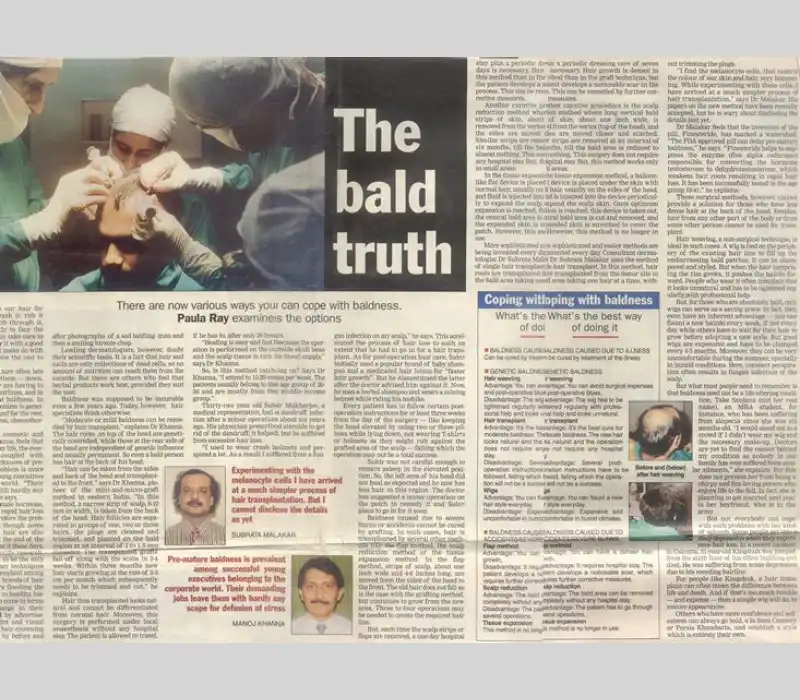
The good news is that modern procedures have made hair transplant a reliable and natural-looking solution, especially when performed by experienced specialists. Dr Manoj Khanna, an expert in hair transplant in Kolkata, has over 30 years of experience and has performed more than 8000 procedures, including 2000 cases of FUE.
After deciding to get a hair transplant, comes the classic question: FUE or FUT… which one is better?
Keep reading to find out more about these procedures.
What should you understand about hair transplant techniques?
Think of a hair transplant as a careful relocation project. Healthy follicles are moved from a donor area, usually the back of the scalp, to places where hair has thinned or disappeared.
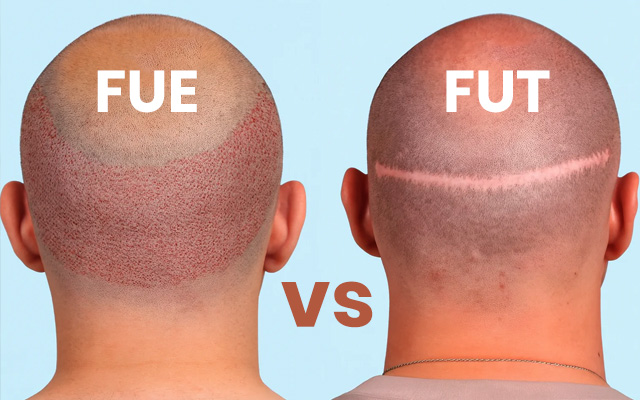
FUE and FUT are the two most commonly used techniques. Both aim for the same result: natural hair growth. The difference lies in how those follicles are collected. When people search for FUE vs FUT hair transplant, they are essentially comparing two harvesting techniques, not two different outcomes.
What is FUE (Follicular Unit Extraction)?
FUE involves extracting individual follicles one by one and implanting them in thinning or bald areas. It’s meticulous work.
Key features of FUE
- No linear scar
- Faster healing
- Ideal for short hairstyles
- Head shaving is required
One of the biggest FUE hair transplant benefits is styling freedom. Since there’s no long scar, shorter hairstyles are easier to maintain confidently. Many people casually call it a scarless hair transplant because the tiny extraction marks heal and fade so well that most people never notice them.
What is FUT (Follicular Unit Transplantation)?

FUT takes a slightly different route. A thin strip of scalp is removed from the donor area, and follicles are extracted from that strip before being transplanted.
Key features of FUT
- Allows more grafts in one session
- Often more cost-effective
- May leave a linear scar
- Head shaving is not required
People researching FUT hair transplant advantages often discover that it can be very effective when large numbers of grafts are needed. In cases of advanced hair loss, efficiency matters—and FUT delivers on that front.
FUE vs FUT: What are the key differences at a glance?
The differences between these methods are practical rather than dramatic.
- Scarring: FUE – minimal | FUT – linear scar
- Recovery: FUE – quicker | FUT – slightly longer
- Hair density: FUT may allow a higher graft yield than FUE
- Cost: FUE usually costs more than FUT
Understanding these differences helps many clients make realistic decisions, especially when planning treatment in stages.
Which hair transplant method is better for you?
Choosing between the two popular hair transplant methods depends on various factors.
Some of them have been mentioned below.
- Extent of Baldness
Someone with mild thinning may benefit from FUE, while someone with more advanced hair loss may achieve better density with FUT. - Donor Hair Quality
A dense donor area gives more flexibility in choosing a method. - Lifestyle
Patients who prefer very short hair often lean toward FUE. - Budget
The cost of the procedure also influences decisions.
That’s why the answer to “Which hair transplant is better?- FUE or FUT” almost always comes down to individual evaluation rather than universal rules.
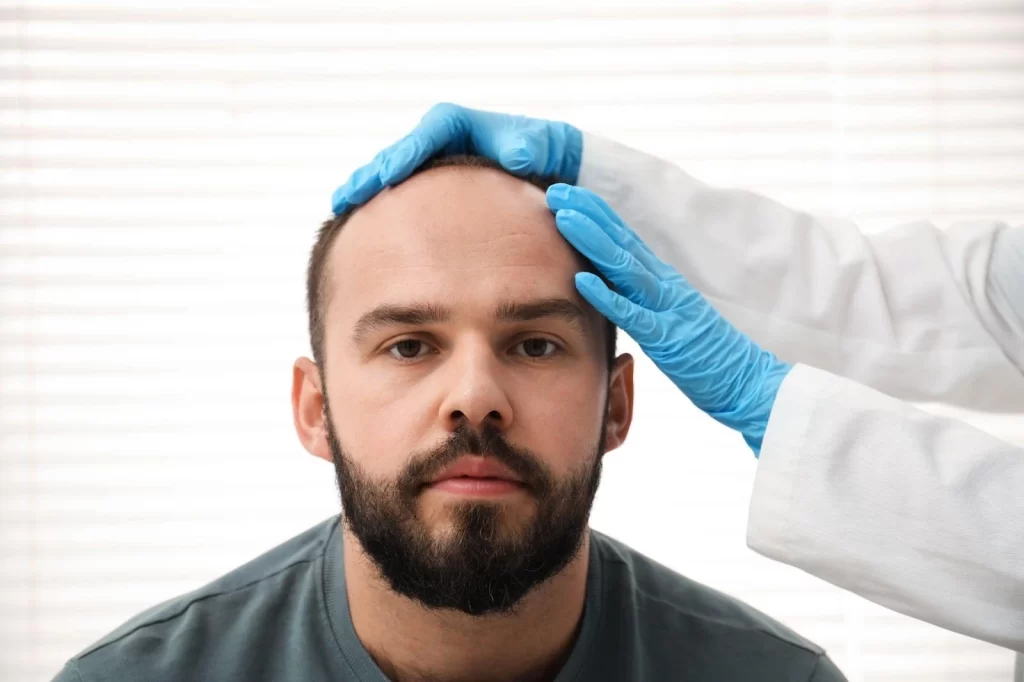
During a consultation for hair transplant in Kolkata, Dr Manoj Khanna evaluates scalp health, graft requirements, and long-term goals before recommending the most suitable technique.
Patients exploring hair transplant for baldness often find that a personalised plan gives far better results than simply choosing the most popular method online.
What are some common myths about FUE and FUT?
Hair transplant myths spread faster than hair fall itself, and some of them deserve retirement.
- FUE is always better – Not true. The best method depends on the case.
- FUT looks unnatural – False. When performed correctly, both methods produce natural results.
- Hair transplant is painful – Modern procedures are done under local anaesthesia and are generally comfortable.
Another common worry is downtime. In reality, hair transplant recovery time for FUE and FUT is manageable, and most patients return to routine activities sooner than expected.
People searching for the best hair transplant method often discover something surprising: the surgeon’s experience matters far more than the technique alone.
When should you consult a hair transplant specialist?
If hair thinning is becoming noticeable, the hairline is receding, or bald patches are growing, it’s a good time to consult a specialist. Waiting too long can reduce the available donor hair, much like spending your savings without tracking the balance.
Early evaluation improves planning, preserves donor follicles, and leads to better long-term results.
Many individuals looking for the best hair transplant clinic realise that expertise, planning, and post-procedure care matter just as much as the technology used.
A consultation for hair transplant in Kolkata with Dr Manoj Khanna helps determine whether FUE, FUT, or even a combination approach is best suited for your scalp and goals.
Which method should you choose?
Both FUE and FUT are effective, safe, and scientifically proven methods when performed by experienced surgeons. Neither technique is universally better, and both can produce natural, long-lasting results.
If you are considering a hair transplant in Kolkata, consulting an experienced specialist like Dr Manoj Khanna ensures that the treatment plan is personalised for you.
Book a consultation with the expert for the best results.
People Also Ask
1. Is FUE better than FUT hair transplant?
Not always. FUE is ideal for minimal scarring and quicker recovery, while FUT may be better when a larger number of grafts is needed. The best choice depends on your hair loss pattern and donor area.
2. Which hair transplant method gives more density?
FUT can sometimes provide a higher graft yield in a single session, which may help achieve greater density, especially in advanced baldness cases.
3. Is FUE completely scarless?
FUE does not leave a linear scar, but it creates tiny extraction points that usually heal and become barely noticeable over time.
4. How long does recovery take after FUE or FUT?
Most patients resume routine activities within a few days. Full healing of the donor area may take a few weeks, depending on the method and individual healing speed.
5. Is a hair transplant painful?
Hair transplant procedures are performed under local anaesthesia, so patients usually feel minimal discomfort during the procedure.
6. How long does it take to see results after a hair transplant?
New hair growth typically begins after 3–4 months, with fuller results becoming visible between 8–12 months.
7. Can transplanted hair fall out again?
Transplanted hair is usually permanent because it is taken from areas resistant to hair loss, although natural ageing and existing hair loss can continue.
8. Who is a suitable candidate for a hair transplant?
People with stable hair loss, good donor hair density, and realistic expectations are usually good candidates.
9. What is the ideal age for a hair transplant?
Most specialists recommend waiting until hair loss stabilises, often after the mid-20s, but suitability depends on individual assessment.
10. How do you choose the right hair transplant clinic?
Look for an experienced surgeon, proper consultation, realistic treatment planning, and transparent communication about results and recovery.