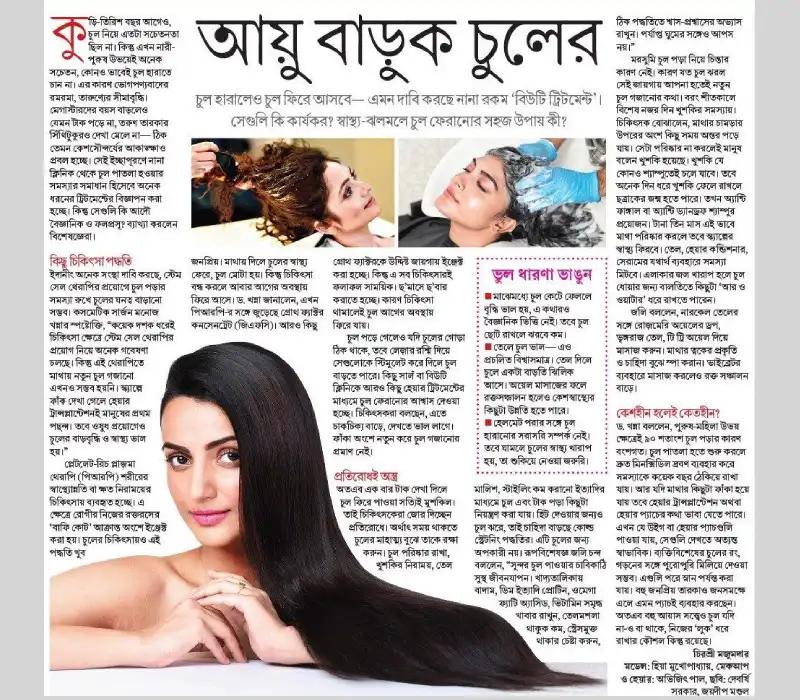
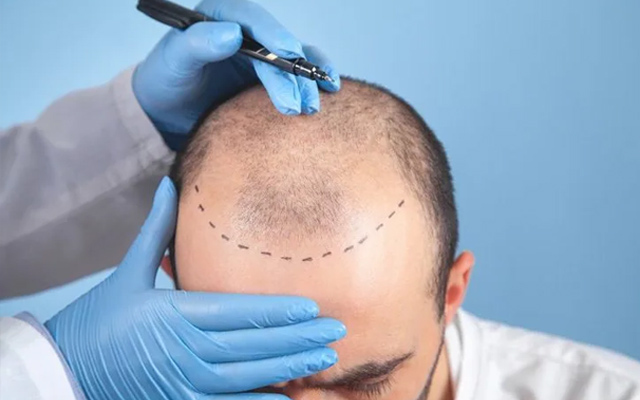
If pain is the reason you keep saying “maybe later,” pause for a second.
What you’re imagining isn’t what actually happens today.
Modern hair transplants are nothing like the old horror stories. With advanced anaesthesia, finer tools, and better techniques, most patients stay comfortable and relaxed throughout the procedure.
So if fear is the only thing stopping you, it may be outdated information doing the talking.
Let’s break down how today’s painless hair transplant in India works, and how Dr Manoj Khanna makes comfort a priority at every step.
Why do people feel scared before their first hair transplant?
People often fear needles, machines, and surgical environments without real experience. Hair loss also triggers emotional stress and increases fear before treatment discussions.
Online stories exaggerate old experiences and create confusion about modern techniques. Family opinions sometimes increase pressure and make people expect strong discomfort.
People believe in myths because they rarely speak with experts before forming opinions.
Do modern hair transplant methods reduce pain more than people expect?
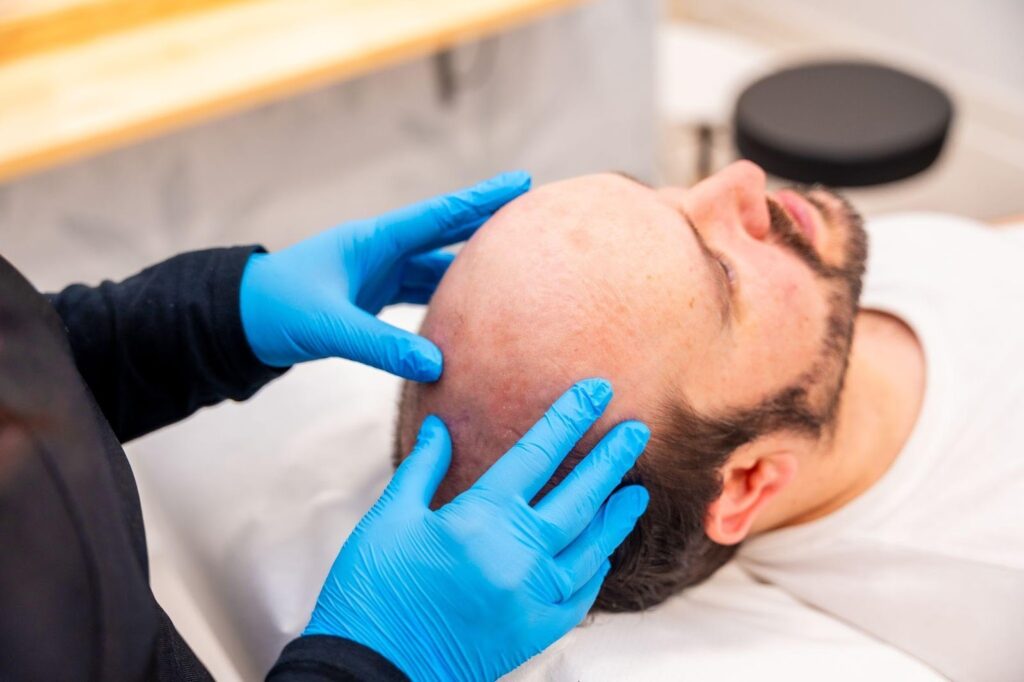
Yes, modern hair transplant techniques use advanced local anaesthesia and refined tools to minimise discomfort.
Modern clinics also use advanced tools that create extremely gentle sensations during treatment. Doctors design each step to minimise discomfort and support calm, steady cooperation.
New devices reduce vibration and pressure, making the process feel surprisingly easy. Technology has evolved rapidly and replaced older methods that created unnecessary discomfort.
The focus now stays on comfort, safety, and a smooth experience for every patient. This shift allows thousands to consider treatment without fear or emotional stress
Comfort stands at the centre of modern hair transplant science across India.
How does local anaesthesia make hair transplant procedures more comfortable?
Local anaesthesia numbs the scalp before the procedure begins, preventing pain during graft extraction and placement.
You feel light pressure during movements but experience zero sharp sensations anywhere. You can talk, listen to music, or relax comfortably during the session.
Doctors top up anaesthesia whenever needed to maintain comfort until the procedure ends. You stay awake and aware without discomfort, which surprises many first-time patients.
Local anaesthesia allows a painless experience even during long extraction sessions.
How does the FUE technique improve comfort and precision in hair transplants?
FUE uses fine micro-instruments to extract and place follicles individually, reducing trauma to the scalp. This precision leads to less discomfort, minimal scarring, and faster recovery.
The method uses tiny punches to extract grafts from the donor area. These micro tools reduce tissue disruption and keep sensations gentle during removal. You feel mild tapping, but nothing that causes fear or deep discomfort.
The same method applies during implantation, where precision reduces tension significantly.
FUE remains the most popular technique for people seeking comfort and natural results.
Many men choose FUE because they have busy work schedules and want quick healing without lengthy restrictions.
It is suitable for those who don’t mind shaving their head. However, results only last for a few years.
How does the FUT technique support painless hair transplant methods?
FUT is performed under effective local anaesthesia, ensuring the donor and recipient areas remain numb throughout the procedure.
When done by an experienced surgeon, the technique delivers high graft yield with well-controlled comfort and minimal discomfort.
The procedure allows surgeons to carefully extract healthy follicles in a planned manner, reducing unnecessary handling of the scalp. Precise closure techniques help minimise tension at the donor site, supporting smoother healing.
As grafts are prepared under direct vision, their quality and survival rates remain high—making FUT a dependable option when comfort and long-term results matter.
FUT works best for people who don’t like shaving their head, and it provides better results than FUE in the long run.
If you are unsure about which procedure will work best for you, book a personalised consultation with Dr Manoj Khanna.
Do sedation options help anxious patients feel relaxed during a hair transplant?
Sedation helps calm anxiety and keeps patients relaxed throughout the procedure without putting them fully asleep. It reduces nervousness and discomfort, making the hair transplant experience far more comfortable.
Many anxious patients choose light sedation and feel better throughout the day. Sedation ensures confidence for people who fear needles, machines, or surgical settings.
What do you actually feel during a modern hair transplant session?
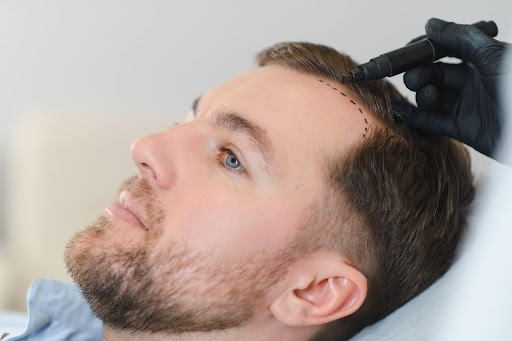
During a hair transplant procedure, you may feel slight pressure when grafts enter the scalp during implantation. None of these sensations feels uncomfortable or frightening once the numbing works.
Many people stay relaxed enough to use their phones during the process. Some patients even take short naps because the environment feels peaceful and calm.
Do people experience pain after a hair transplant procedure?
Your scalp feels tender for a short period after the anaesthesia wears off. This tenderness feels mild and stays manageable with doctor-recommended medicines.
Most people resume light routines easily because discomfort stays extremely minimal. You may feel tightness in the donor area, but it improves within several hours.
The doctor guides you with clear instructions to help manage early discomfort. The healing process moves quickly because modern techniques minimise tissue stress significantly.
Most people feel completely normal and comfortable within one week of treatment.
Why Pain Should Not Stop You From Seeking Treatment Now
Fear stops many people from addressing hair loss early, while options are better. Hair loss affects confidence, relationships, and professional presence in subtle ways.
Modern techniques remove the biggest fears people carry about pain during procedures. You deserve clarity, confidence, and accurate information before making personal decisions.
Once you understand the truth, your fear loses power instantly and permanently.
Modern Hair Transplants Focus on Comfort and Safety First
Modern hair transplant methods feel safe, gentle, and extremely comfortable for everyone today. Pain no longer feels like a barrier because science has improved every key step. Doctors use precise tools, smart planning, and clear communication to support comfort.
Recovery moves quickly, and mild discomfort fades much faster than people expect. You gain natural results, restored confidence, and renewed self-esteem without fear.
Reach out to an Expert
If you want expert care, connect with Dr Manoj Khanna, a leading specialist offering world-class hair transplant in India.
People Also Ask
1. Does a modern hair transplant feel painful?
Local anaesthesia removes pain and keeps the procedure comfortable throughout.
2. How much pain appears after the transplant?
Most people feel mild tenderness that improves quickly with simple medicines.
3. Does FUE feel less painful than FUT surgery?
Yes, FUE feels gentler because it avoids stitches and large incisions.
4. Can you work after a hair transplant?
You can resume light work within a few days with minimal discomfort.
5. Do needles hurt during the numbing process?
You feel slight stinging for seconds before complete numbness arrives smoothly.
6. Does anxiety increase pain during a hair transplant?
Anxiety increases tension, so relaxation and sedation improve comfort significantly.
7. Are hair transplants safe for sensitive people?
Yes, modern tools ensure comfort even for people with sensitive scalps.
8. Do modern techniques guarantee a painless experience?
Modern methods ensure a comfortable process with minimal sensations throughout.