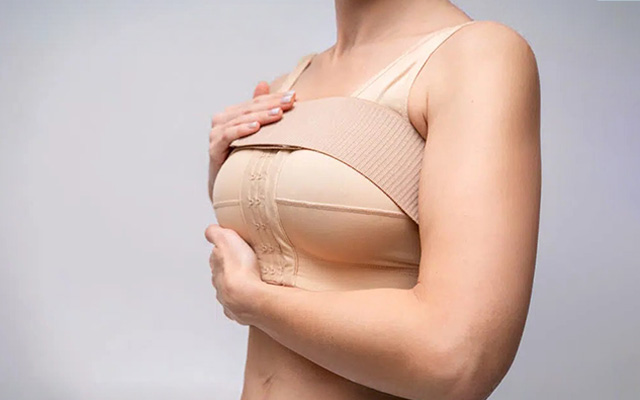
Sitting through long meetings and carrying a handbag on one shoulder—most office routines seem harmless until your body starts protesting. For many working women, large breasts are not just a cosmetic concern. They can mean persistent back pain, shoulder strain, and a constant search for a comfortable posture that never quite appears.
This is one of the reasons more women are exploring breast reduction surgery. But along with relief and improved comfort, one practical question almost always comes up:
How soon can you return to the office after surgery? The answer depends on recovery, job type, and personal healing speed.
Dr Manoj Khanna, an expert specialising in breast reduction surgery in Kolkata, can provide clear guidance in this regard. Read to know more.
What is breast reduction surgery, and how does it help?
Breast reduction surgery removes excess tissue, fat, and skin to reduce the size and weight of the breasts. The goal is to improve comfort, posture, and mobility.
How the procedure helps:
- Reduces pressure on the back and shoulders
- Improves posture and balance
- Makes movement and daily activities easier
- Helps clothing fit more comfortably
- Reduces skin irritation and discomfort
Women considering breast reduction surgery often find that the procedure not only improves physical comfort but also restores confidence in daily life. To know more, schedule a consultation with Dr. Manoj Khanna for breast reduction surgery in Kolkata.
Why do many working women choose breast reduction?

Large breasts can create physical strain that affects daily professional life. Many women choose surgery to reduce discomfort and improve mobility and confidence.
Common reasons include:
- Chronic back, neck, and shoulder pain
- Shoulder grooves from bra straps
- Difficulty maintaining posture during long desk hours
- Fatigue and reduced concentration at work
- Limited physical comfort during commuting
- Reduced confidence in professional clothing
One of the key benefits of breast reduction surgery for women is the relief from constant physical strain, which often improves productivity and overall quality of life. Hence, choosing breast reduction surgery for working women is a practical health decision rather than a cosmetic one.
What does recovery look like week by week?
The breast reduction surgery recovery week by week timeline varies slightly from person to person, but most women follow a predictable pattern.
First Week After Surgery
The first week is focused on rest and healing. Mild pain, swelling, and restricted arm movement are normal, and complete rest from office work is usually advised.
During this phase:
- Rest and sleep are essential
- Swelling and mild discomfort are expected
- Support garments must be worn continuously
- Light walking at home is encouraged
- Lifting, bending, and commuting should be avoided
Understanding the breast reduction healing timeline helps patients avoid rushing recovery too soon.
Second Week After Surgery
By the second week, many women begin to feel more energetic and comfortable. Light activities become easier, and some desk-based tasks may be possible.
What most women can do in week two:
- Resume light desk work or remote work
- Sit comfortably for short periods
- Walk normally without strain
- Continue wearing support garments
- Avoid long travel or heavy lifting
These work-from-home arrangements are usually manageable.
Weeks 3-4 After Surgery
Most women with desk-based jobs can return to the office between the third and fourth week, provided they avoid strenuous activity.
Precautions during this stage:
- Avoid lifting heavy bags or files
- Take short breaks to prevent stiffness
- Maintain proper posture while sitting
- Limit long commutes where possible
- Follow all medical advice carefully
This is often when patients ask, “When can I return to work after breast reduction?”
For many working professionals, the answer is usually within two to four weeks, depending on recovery.
Women undergoing breast reduction surgery are typically guided closely through this stage to ensure a safe return to work.
What factors affect your return-to-work timeline?
Recovery is not identical for everyone. Several factors influence how quickly you can return to the office.
Important factors include:
- Nature of your job (desk work vs physically demanding work)
- Individual healing speed
- Proper use of support garments
- Following post-operative instructions carefully
- Commute time and travel conditions
Many women researching breast reduction downtime find that planning leave and a gradual return to work makes recovery smoother and less stressful.
What tips help make returning to the office more comfortable?

Returning to work is easier when small adjustments are made to support healing.
Helpful tips include:
- Wear a supportive surgical or sports bra as advised
- Maintain good posture at your workstation
- Take short breaks to stretch and move
- Avoid carrying heavy bags initially
- Stay hydrated and well-rested
Following these simple breast reduction post-surgery precautions helps reduce discomfort and supports faster recovery.
When should you speak to the surgeon before resuming work?
If recovery feels slower than expected, it’s important to consult your surgeon before returning to full duties.
Speak to your doctor if you notice:
- Persistent pain or swelling
- Excessive fatigue
- Discomfort during sitting or movement
- Signs of delayed healing
- Any unusual symptoms
Regular follow-up appointments ensure recovery is progressing safely and comfortably.
Patients searching for breast reduction surgery in Kolkata often benefit from professional guidance from Dr. Manoj Khanna throughout recovery.
How soon can most working women resume office work?
Breast reduction can significantly improve comfort, posture, and productivity at work. With proper planning and medical guidance, most working women return to the office within two to four weeks.
Recovery is not about rushing—it’s about healing properly so results remain comfortable and long-lasting.
Considering breast reduction surgery in Kolkata?
Consult Dr. Manoj Khanna today for expert guidance.
People Also Ask
1. How long does it take to recover from breast reduction surgery?
Most women recover enough to resume light activities within 2–3 weeks, while complete healing may take several weeks, depending on individual recovery and post-surgery care.
2. When can I return to work after breast reduction surgery?
Women with desk-based jobs usually return to work within 2–4 weeks. Physically demanding jobs may require a longer recovery period.
3. Is breast reduction surgery painful?
The procedure is performed under anaesthesia, so there is no pain during surgery. Mild soreness and swelling are common during the first few days of recovery but are manageable with medication.
4. Will breast reduction help with back and shoulder pain?
Yes, many women experience significant relief from back, neck, and shoulder pain after surgery because the weight on the upper body is reduced.
5. How long should I avoid lifting heavy objects after breast reduction?
Most surgeons advise avoiding heavy lifting for at least 4–6 weeks to prevent strain and support proper healing.
6. Can I sit at a desk for long hours after breast reduction surgery?
Long sitting hours should be avoided during the first two weeks. Gradually increasing sitting time with breaks is usually recommended after that.
7. Will there be scars after breast reduction surgery?
Yes, some scarring is expected, but scars usually fade over time and become less noticeable with proper care.
8. What precautions should I take after breast reduction surgery?
Wearing a support bra, avoiding heavy lifting, maintaining good posture, and attending follow-up appointments are essential for smooth recovery.
9. Is breast reduction surgery safe?
Breast reduction is generally considered safe when performed by an experienced surgeon and when post-operative instructions are followed carefully.
10. Who is a good candidate for breast reduction surgery?
Women experiencing physical discomfort, posture problems, or lifestyle limitations due to large breasts are often good candidates after a medical evaluation.