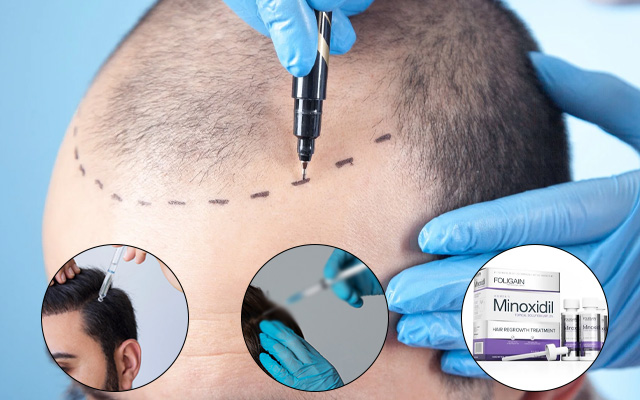
When it comes to hair loss, the internet is bursting with “miracle cures” — oils, PRP treatments, minoxidil, and more. With so many options, it’s easy to get caught up in promises of thick, luscious locks. But, before you invest your money in these so-called “fixes,” let’s break down the myths surrounding them.
If you’re considering a hair transplant in India, chances are you’ve heard about various treatments, from topical solutions to high-tech therapies. But how many of these actually deliver? Let’s separate fact from fiction and uncover what works when it comes to hair restoration.
Myth 1: Oils Will Regrow Your Hair
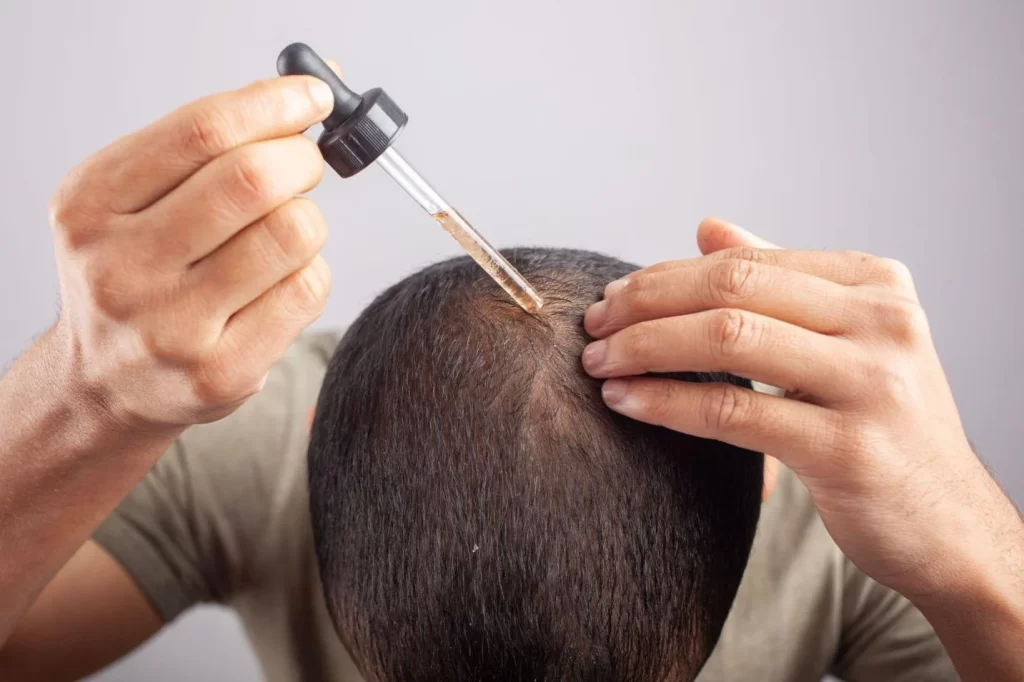
Hair oils — it seems like everyone has a favourite oil to promote hair growth. From coconut to castor oil, the internet is flooded with oils that experts claim to be the miracle solution for baldness. But the reality is:
Oils won’t regrow your hair.
While oils can certainly help in other ways, like improving scalp health and making your hair look shinier, they won’t restore your hairline or fill in those bald patches. Here’s what oils can do:
- Moisturise and nourish: If your scalp is dry or flaky, oils can help soothe and hydrate it.
- Reduce hair breakage: Oils can strengthen your hair, preventing split ends and breakage.
But when it comes to growing new hair, oils just don’t have the science to back them up. In fact, oils only address the appearance and surface health of your hair, not the actual hair follicle regeneration that’s needed for true hair restoration.
So, while using oils like coconut oil for scalp health is a good practice, don’t expect it to replace a hair transplant when your hair loss is severe.
Myth 2: PRP Is a One-Time Miracle Cure
PRP (Platelet-Rich Plasma) therapy — it sounds cutting-edge, doesn’t it? The idea is simple: using your own blood to stimulate hair growth. Sounds like a miracle, but is it?
Here’s the scoop on PRP:
PRP can stimulate hair follicles and improve the quality of hair growth, but it’s not a one-time fix. Many studies show mixed results when PRP is used alone. While it can work for some people, especially those with early-stage thinning, it is not a permanent solution.
Here’s the reality:
- PRP might enhance hair growth after a transplant, but it won’t give you a full head of hair on its own.
- It requires multiple sessions and ongoing maintenance to sustain results.
So, while PRP can complement a hair transplant procedure, such as FUE or FUT, it should never be considered a substitute for actual hair restoration surgery. (Source)
Myth 3: Minoxidil Will Bring Back a Full Head of Hair
Minoxidil (commonly known as Rogaine) is one of the most widely used non-surgical treatments for hair loss. It’s FDA-approved, and many people swear by it. But let’s be clear: minoxidil will not fully restore your hair, especially in advanced cases of baldness.
What Minoxidil can do:
- Slow hair loss in the early stages.
- Regrow some hair in small patches, especially in the crown area.
But here’s the catch: Minoxidil is a temporary solution. The minute you stop using it, the benefits begin to fade. It’s great for early thinning or helping to maintain existing hair, but it won’t replace the lost hair in areas where the follicles are no longer viable.
For more severe hair loss or bald spots, minoxidil is not enough to restore what’s missing.
What Actually Works for Hair Restoration?
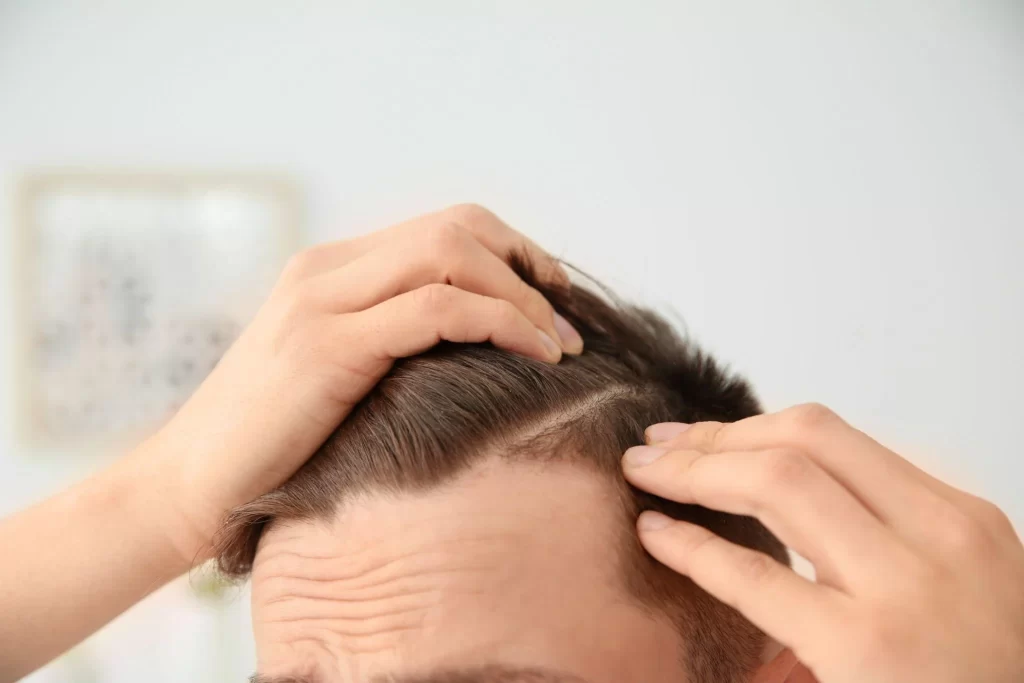
So, what works when it comes to hair transplant in India? When you’re dealing with moderate to severe hair loss, surgical hair restoration is the only way to permanently restore hair.
Let’s look at two of the most popular and effective hair transplant techniques:
FUE (Follicular Unit Extraction): A Revolution in Hair Transplant Surgery
FUE is one of the most advanced hair transplant techniques available today. It’s minimally invasive and involves extracting individual hair follicles from the donor area (usually the back of your head) and transplanting them into thinning or bald spots.
Why FUE is Popular:
- No linear scar: Unlike older techniques, FUE doesn’t leave a visible scar.
- Faster recovery: With minimal downtime, you can return to normal activities more quickly.
- Natural look: The results are very natural, with hair growing in the same direction as your original hair.
The procedure is ideal for those seeking a low-disruption recovery while still achieving permanent, natural results.
FUT (Follicular Unit Transplantation): Tried and Tested for Larger Grafts
FUT, also known as strip harvesting, is the traditional hair transplant technique that involves removing a strip of scalp from the donor area. The follicles from this strip are then dissected and transplanted into the bald spots.
Why Consider FUT:
- Higher graft yields: This method is ideal if you need to transplant a large number of grafts in one session.
- More cost-effective: FUT may be a more affordable option for those with significant hair loss.
- Proven track record: FUT has been used successfully for decades with a high success rate.
While FUT leaves a linear scar, it’s often the best option for those who need longer hair restoration sessions.
Why PRP and Minoxidil Shouldn’t Be Your First Choice
For those seriously considering a hair transplant, it’s essential to understand where PRP and minoxidil fit in. Here’s how these treatments can complement FUE and FUT, but not replace them.
PRP: Best as an Add-On to Surgery
While PRP won’t replace a hair transplant, it can still help:
- Increase hair growth in the transplant area.
- Improve healing post-surgery.
- Boost follicle survival rates after FUE or FUT.
PRP is most effective when used alongside a hair transplant surgery. It helps maximise the growth of your newly transplanted hair by improving blood flow and stimulating your follicles.
Minoxidil: Maintenance, Not Restoration
Minoxidil can be used after surgery to help:
- Preserve existing hair in non-transplanted areas.
- Maintain results post-transplant.
But again, it doesn’t address advanced hair loss or regrow hair in bald spots where the follicles are gone.
Hair Transplant Myths: The Truth About Money and Hair Loss
It’s easy to get caught up in miracle promises from “wonder” products and treatments that promise to regrow hair. But investing in oils, PRP, and minoxidil alone won’t give you the permanent results you’re seeking. These treatments might help slow hair loss or improve scalp health, but they won’t restore a full head of hair.
When it comes to real results, FUE and FUT are the only proven, permanent solutions for advanced hair loss. With more than 30 years of experience and over 8,000 successful procedures (including 2000 FUE cases), Dr Manoj Khanna, an expert in hair transplant in India, is committed to delivering natural, long-lasting results using the latest techniques.
Ready for a Permanent Solution?
Hair loss doesn’t have to be a life sentence. If you're tired of the myths and want to explore real solutions, don’t hesitate to schedule a consultation with Dr Manoj Khanna, one of the leading experts in FUE and FUT hair transplants. Say goodbye to hair loss myths and hello to a fuller, natural-looking hairline.
The Final Word on Hair Restoration
Stop wasting money on myths. While oils, PRP, and minoxidil have their place in your hair care routine, they won't replace a proper hair transplant. For permanent results, FUE and FUT are the most effective options. When you choose a trusted expert like Dr Manoj Khanna for a hair transplant in India, you’re not just investing in hair restoration — you’re investing in quality, experience, and permanent results.
Schedule a consultation today.
People Also Ask
- Do hair oils help with hair loss or regrowth?
Hair oils can moisturise the scalp and improve hair appearance, but they don't have the scientific backing to regrow lost hair. They are useful for scalp health but not effective for reversing pattern baldness.
- Is PRP therapy effective for hair regrowth after hair transplant surgery?
PRP can improve hair transplant outcomes by stimulating follicle growth and enhancing healing. However, it’s not a standalone solution for regrowing hair on its own, especially for advanced baldness. - How long does minoxidil take to show results for hair loss?
Minoxidil typically takes about 2 to 4 months to show visible results in slowing hair loss and promoting new growth. It's effective for the early stages of thinning but doesn’t fully restore hair in severe bald spots. - Are hair transplants permanent, or will hair fall out again?
Hair transplants, particularly FUE and FUT, provide permanent results because the transplanted hair is resistant to balding. However, natural hair loss may continue in untreated areas, requiring maintenance or additional procedures.
Can women get hair transplants, or is it only for men?
Yes, women can also benefit from hair transplants, especially if they have female-pattern hair loss. The procedure works similarly for both genders, though the causes and patterns of hair loss may differ.