Hair loss doesn’t just thin your hair. It messes with your confidence.
So you try the “easy” options first. PRP. Laser therapy. Maybe a serum or two.
It feels safe, quick, and hopeful.
Then reality shows up.
For a few months, things look better. Then the shedding starts again, and progress feels stuck.
And that quiet frustration? It gets louder.
This is where a hair transplant stops sounding “extreme” and becomes more logical.
Know what steps to take when PRP and laser treatments stop working, and how Dr Manoj Khanna, a specialist offering hair transplant in Kolkata, provides reliable results.
Why does PRP work for some and not for others?

PRP works best when hair follicles are still active, and hair loss is in its early stages.
When follicles are already weakened or inactive, PRP cannot create new hair, so results remain limited.
Know some other reasons why PRP fails.
PRP cannot revive dead follicles
Once a follicle dies, PRP cannot push new growth. No serum can revive a destroyed root. Many people reach this stage before starting treatment.
Hair loss progresses faster than PRP results
PRP strengthens hair slowly. Hair loss often moves faster. People feel hope at first, then disappointment as thinning continues.
PRP needs strict consistency
Missed sessions reduce results sharply. Busy schedules create gaps. Once gaps happen, improvements drop.
PRP cannot fix bald patches
Large empty areas need new follicles. PRP only supports existing ones. It cannot fill bare scalp zones.
When all these issues appear, people feel confused. They want real density, not short-term changes. That’s when they start looking at long-term options.
Why does laser hair therapy work initially but stop showing results later?
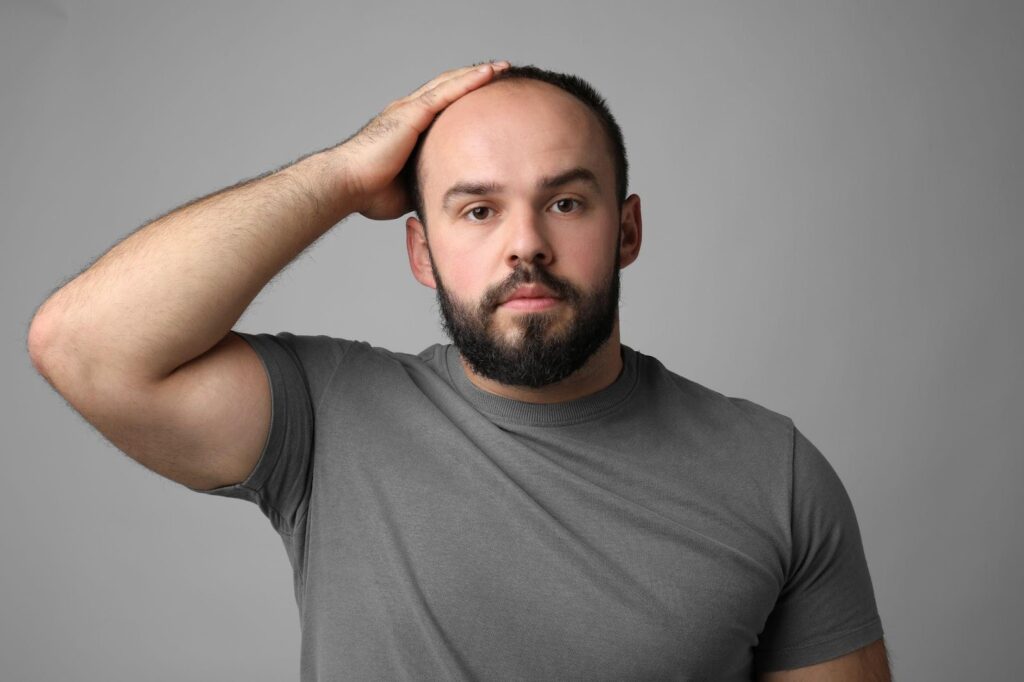
Laser hair therapy can temporarily stimulate weak hair follicles and slow shedding in the early stages.
As hair loss progresses and follicles shrink further, the stimulation is no longer enough to produce visible regrowth.
Understand when laser therapy works most effectively.
Laser therapy works only on active follicles
Dormant or dead follicles ignore the light energy. They never grow hair again.
Laser devices need strict daily use
Most people stop early. Missed days reduce results. Very few people maintain discipline for months.
Laser results slow down with age
Hormones change with time. Lasers cannot fight these strong internal factors.
Lasers cannot rebuild hairlines or fill bald crowns
They create minor improvements, but cannot build real density where hair is fully lost.
This is why many people start with PRP and lasers but shift later. They realise both methods support mild hair thinning only and cannot fix baldness.
Why do hair transplant results last longer than PRP or laser therapy?
Hair transplants move healthy, permanent hair follicles to areas affected by hair loss, so the hair grows naturally in its new location.
Unlike PRP or laser therapy, these follicles are resistant to hair thinning, making the results long-lasting.
Explore the reasons why a hair transplant actually works.
Transplanted hair grows for a lifetime
In a hair transplant, real, living hair follicles are moved from the donor area. Once these follicles settle, they start growing new hair just like normal hair.
Transplants fill bald spots completely
No serum, laser, or PRP can do this. Only a transplant places new follicles into empty skin.
A transplant rebuilds your natural hairline
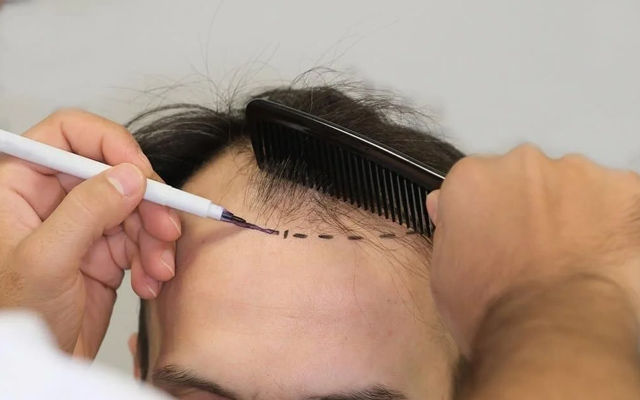
Expert hair transplant surgeons, like Dr. Manoj Khanna, design a soft, custom hairline as per your age. This creates natural balance and symmetry.
Results grow gradually but stay stable
You see early sprouts in months, enjoy full growth in a year, and it stays.
A hair transplant works because the treatment uses your strongest follicles. This biological advantage beats every other method.
Wondering if a hair transplant suits your stage of hair loss? Dr. Manoj Khanna offers personalised consultations focused on natural results and long-term stability.
What is the difference between FUT and FUE hair transplants?
FUT involves removing a strip of scalp to harvest follicles, which can leave a thin linear scar.
FUE extracts follicles individually, causing minimal scarring and faster healing.
Learn about these treatments in detail.
FUT (Follicular Unit Transplantation)
In this procedure, the surgeon extracts strong follicles. FUT suits people who need high graft numbers. It is suitable for those who don’t like shaving their head and want long-term results.
FUE (Follicular Unit Extraction)
FUE extracts roots individually. It avoids a linear scar and suits people who want short hairstyles. The procedure is ideal for people who don’t mind shaving their heads. Results last for a few years.
The choice depends on your scalp, donor strength, and density goals.
For those seeking reliable hair restoration, Dr Manoj Khanna’s experience helps guide the process with precision and care.
What to expect after a hair transplant?
After a hair transplant, mild swelling and temporary shedding are normal in the first few weeks.
New hair growth begins within a few months and gradually becomes fuller over the year.
Growth timeline
- Month 1–2: Shedding of transplanted shafts
- Month 3–4: New sprouts appear
- Month 6: Noticeable density
- Month 12: Full results
This growth pattern stays stable for years.
When is it time to consider a hair transplant instead of PRP or lasers?
It’s time to consider a hair transplant when PRP or laser treatments no longer slow hair loss or improve density.
If bald areas continue to widen and follicles are inactive, a transplant becomes the more reliable solution.
Here are the exact signs when you need to consider a hair transplant treatment.
Sign 1: Your scalp shows through clearly
When thinning reaches this stage, PRP cannot rebuild density.
Sign 2: Your hairline moves back visibly
Lasers cannot push hair forward. Transplants rebuild shape.
Sign 3: Your crown has a spreading bald spot
Empty areas need new follicles. Only a transplant fixes this.
Sign 4: PRP improved texture but not density
This happens often. PRP strengthens hair but cannot fill gaps.
Sign 5: You want permanent results, not repeated sessions
PRP and lasers need lifetime maintenance. A hair transplant procedure like FUT offers stability.
If these signs match your situation, a hair transplant might be the right step for you.
Why is choosing the right surgeon important for hair transplantation?
The success of a hair transplant depends on planning. Great surgeons study your face shape, scalp texture, donor area, and long-term loss pattern.
They design a hairline that suits your age, place grafts in natural angles, and plan density that lasts years, not months.
The right surgeon ensures:
- No artificial look
- No unnatural density
- No low hairline that looks odd later
Experience decides your final look. That’s why choosing the right surgeon matters more than choosing the method.
Considering a long-term solution for hair loss? A consultation with Dr Manoj Khanna can help you determine whether a hair transplant is right for you.
Choose the Right Treatment
PRP and laser therapy help mild hair thinning. But they cannot fix baldness. They cannot rebuild hairlines or create density.
A hair transplant gives real, lasting change. It places permanent follicles exactly where you need them.
If you want a final solution, a hair transplant often becomes the right step.
Consult an Expert
For long-lasting results, book your consultation with Dr Manoj Khanna, a trusted expert in hair transplant in Kolkata.
People Also Ask
1. Can a hair transplant fix failed PRP results?
Yes. A transplant restores hair permanently when PRP fails.
2. Why do PRP and laser therapy stop working?
They help with hair thinning only and cannot revive dead follicles.
3. Is a hair transplant permanent?
Yes. Donor follicles resist DHT and grow lifelong.
4. When should you stop PRP and choose surgery?
Choose surgery when thinning becomes visible or bald patches spread.
5. Is a hair transplant painful?
No. Local anesthesia ensures comfort throughout the procedure.
6. What is the right age to get a hair transplant?
Most people qualify after 25, when hair loss patterns stabilise, but eligibility depends on your scalp and donor area.
7. Can a hair transplant look completely natural?
Yes. When done by an experienced surgeon, the hairline and density blend seamlessly with your existing hair.
8. How many grafts do you need for good coverage?
It varies for each person. The surgeon will assess your baldness level and donor strength to decide the graft count.
9. Will the transplanted hair fall again in the future?
No. Donor hair is genetically resistant to DHT, so it continues to grow like natural, permanent hair.
10. How soon can you return to work after a hair transplant?
Most patients resume normal routines within 2–3 days, but it can vary.